


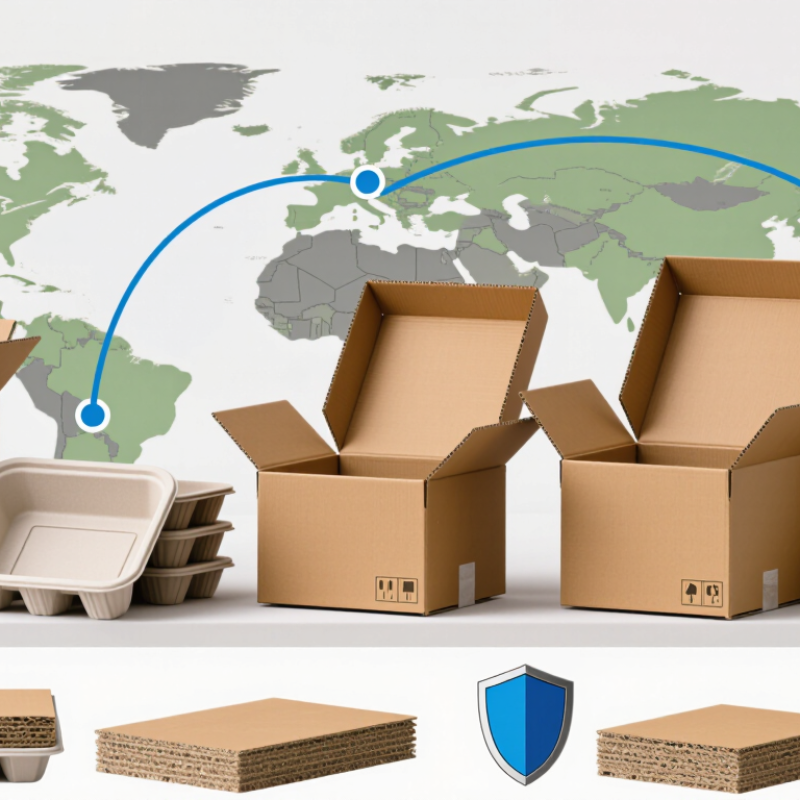
Choosing an eco-friendly box for global sourcing requires more than a recycled-paper claim. Supplier assessment should begin with factory evidence, not marketing language. Request the legal manufacturing address, production capacity, material specifications, and recent environmental records. A reliable supplier can explain where fiber comes from and how batches are tracked.
Check certifications carefully. Ask for the certificate number, issuing body, covered facility, material scope, and expiration date. A certificate may cover one site but not every factory in the supplier’s network. For recycled content, request test reports or chain-of-custody documents. For forest-based paper, verify that the certification applies to the actual product, not only the supplier’s general operations. Small details matter.
Look beyond words like green, natural, and biodegradable. Ask what happens after disposal, under which temperature and humidity, and within what period. Compostable packaging may require industrial facilities that many regions do not have. Compare energy use, water consumption, ink type, adhesives, and shipping weight. Request measured data instead of broad carbon claims.
Visit the facility when possible. Observe material storage, waste separation, and printing controls. Photos can mislead. Independent audits provide stronger evidence, although audits are not perfect. Some supplier records may be incomplete or outdated, and buyers should admit that uncertainty. A cheaper box can create greater environmental costs through excess material, long-distance transport, or poor durability. Supplier evaluation should remain practical, documented, and open to revision.