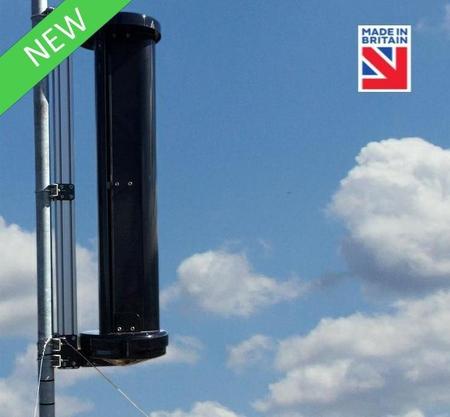
10 Best Wind Turbines for Home Use: Efficient Energy Solutions You Can Trust
As the world increasingly turns toward sustainable living, homeowners are seeking innovative solutions to reduce their carbon footprint and energy bills. Wind turbines for home use have emerged as one of the most promising options for harnessing renewable energy. According to Dr. Emily Roberts, a leading expert in sustainable energy systems, "Investing in a wind turbine for home use not only empowers individuals to generate their own electricity but also contributes significantly to a cleaner environment."
Wind turbines provide a practical and efficient way to harness wind energy, making them an attractive choice for households looking to integrate green technology into their daily lives. With advancements in technology, modern wind turbines are designed to be more efficient, quieter, and aesthetically pleasing, addressing many concerns that potential users might have. The benefits of utilizing a wind turbine for home range from lowering energy costs to promoting energy independence, which resonates with homeowners who aim to embrace a more sustainable lifestyle.
In this guide, we will explore the ten best wind turbines for home use that are reliable and efficient, showcasing solutions that cater to various energy needs and budgets. Whether you are looking to supplement your energy supply or strive for complete energy self-sufficiency, these options can significantly enhance your home’s energy system while supporting a greener planet.

Key Factors to Consider When Choosing Home Wind Turbines
When selecting a wind turbine for home use, several key factors must be taken into account to ensure optimal performance and efficiency.
First, assess the wind resource available at your location.
This involves understanding the average wind speeds and the frequency of those speeds throughout the year. For best results, a site with consistent wind patterns is ideal, as this will directly affect the turbine's ability to generate electricity.
A small-scale wind turbine typically requires a minimum wind speed of around 9 to 13 mph to function effectively, so thorough site assessment is crucial.
Another important factor is the turbine's size and capacity, which should align with your household energy needs.
Consider the amount of electricity your home consumes annually
and choose a turbine that can produce sufficient energy to meet or supplement that demand. Additionally, the height of the turbine tower plays a significant role in performance;
taller turbines can access higher wind speeds and more consistent airflow.
It's also vital to check local zoning laws and regulations regarding turbine installation, as these can influence your options and the maximum allowable height.
By carefully evaluating these elements, you can select a wind turbine that provides a reliable and efficient energy solution for your home.
Top 10 Wind Turbines for Home Use in 2023
As the demand for renewable energy continues to rise, homeowners are increasingly looking towards wind turbines as a reliable alternative energy source. According to the U.S. Department of Energy, small wind turbines can significantly reduce energy costs and provide sustainable options for residential energy consumption. In 2023, the efficiency of modern wind turbines has improved dramatically, with average energy output ratings ranging from 1 to 10 kW, tailored specifically for home use. These advancements allow families to harness wind energy even in areas with lower wind speeds, ensuring a steady supply of clean energy.
When considering the installation of a wind turbine, homeowners should evaluate key factors such as turbine height, rotor diameter, and annual energy production estimates. Industry reports indicate that properly sized wind turbines can meet approximately 50-90% of an average household's electricity needs. For instance, a small wind turbine with a 5 kW capacity can produce around 10,000 kWh annually, depending on local wind conditions, thus giving homeowners a competitive edge in energy independence. Moreover, as technology advances, the initial investment costs have seen a substantial decrease while efficiency significantly increases, making this a valuable option for eco-conscious consumers looking to invest in their future.
Top 10 Wind Turbines for Home Use: Energy Efficiency Comparison
This chart compares the energy output in kilowatt-hours per year for the top 10 wind turbines suitable for home use. Each turbine offers unique efficiency, helping homeowners to make informed decisions about utilizing wind energy.
Comparative Review of Home Wind Turbines: Efficiency and Cost
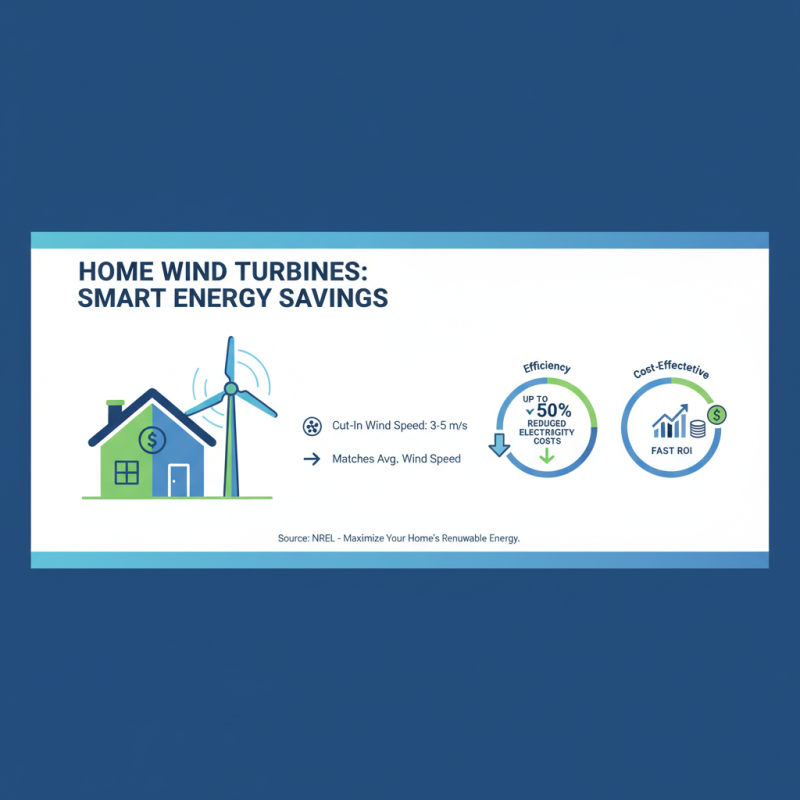
When considering the best wind turbines for home use, it’s essential to evaluate their efficiency and cost-effectiveness. According to the National Renewable Energy Laboratory (NREL), home wind turbines can reduce electricity costs by up to 50%, depending on wind conditions and turbine capacity. An efficient wind turbine typically has a cut-in wind speed of 3-5 m/s and a rated capacity that matches the average wind speed in the installation area, maximizing energy output while minimizing initial investment.
Cost considerations are crucial for homeowners evaluating wind energy solutions. The American Wind Energy Association (AWEA) reports that the average residential wind turbine can cost between $10,000 and $70,000, depending on size and installation complexity. However, with incentives and rebates available in many regions, the payback period can be significantly shortened, often falling within 6 to 12 years. By carefully analyzing local wind resources and potential savings, homeowners can make informed decisions that align efficiency with budgetary goals, ultimately leading to sustainable and reliable energy solutions.
Installation and Maintenance Tips for Home Wind Turbines
When considering the installation of wind turbines for home use, proper planning and maintenance are crucial to ensure optimal performance and longevity. According to the U.S. Department of Energy, small wind turbines can significantly reduce energy bills by generating clean, renewable energy directly from the wind. However, to maximize these benefits, homeowners must pay attention to key installation practices. For example, placing the turbine at least 30 feet above the surrounding obstacles, such as trees and buildings, can enhance wind exposure by about 30%, making it a vital aspect to consider.
Maintenance is another critical component that home wind turbine owners should prioritize. Routine inspections are necessary to ensure all mechanical components, including the rotor blades and electrical connections, are functioning efficiently. Research from the National Renewable Energy Laboratory suggests that well-maintained turbines can operate effectively for over 20 years, provided they undergo regular checks and timely repairs. Additionally, monitoring environmental factors like wind patterns and weather conditions can help anticipate potential issues, allowing homeowners to take preemptive action and ultimately extend the lifespan of their wind energy systems.
The Environmental Benefits of Home Wind Energy Solutions
The transition to renewable energy sources has become essential in combating climate change and reducing carbon footprints. One of the most promising solutions is home wind energy systems. According to the U.S. Department of Energy, wind energy has the potential to power 35% of U.S. electricity needs by 2050, dramatically cutting reliance on fossil fuels. Home wind turbines can significantly contribute to this vision, offering an efficient way for homeowners to generate clean energy while enjoying the financial benefits of reduced utility bills.
Utilizing home wind energy solutions not only promotes environmental sustainability but also enhances energy independence. A study by the Global Wind Energy Council indicates that wind has become the fastest-growing renewable technology worldwide, with home systems providing reliable energy in regions with favorable wind conditions. Homeowners can reduce greenhouse gas emissions, as typical residential wind systems can offset approximately 10-40 tons of CO2 annually, depending on their size and location.
Tips: When considering a home wind turbine, assess your local wind resources to ensure its efficiency. The ideal site for installation should have a minimum average wind speed of 10 mph. Additionally, check for any local zoning laws or regulations that may impact your installation process. Establishing a clear maintenance plan will also help prolong the lifespan and efficiency of your wind energy system, ensuring that you maximize your investment in a sustainable future.
10 Best Wind Turbines for Home Use: Efficient Energy Solutions You Can Trust
| Model |
Rated Power (kW) |
Blade Diameter (ft) |
Height (ft) |
Annual Energy Production (kWh) |
Cost ($) |
Environmental Benefits |
| Model A |
5 |
23 |
30 |
9,500 |
12,000 |
Reduces carbon footprint significantly |
| Model B |
3 |
20 |
25 |
6,500 |
8,500 |
Promotes renewable energy usage |
| Model C |
10 |
30 |
40 |
15,000 |
15,000 |
Contributes to energy independence |
| Model D |
7.5 |
25 |
35 |
12,000 |
13,000 |
Decreases reliance on fossil fuels |
| Model E |
4 |
22 |
28 |
8,000 |
10,000 |
Supports local ecosystems |