How to Choose the Best Domestic Wind Turbine for Your Home Energy Needs
In recent years, the pursuit of sustainable energy solutions has spurred a growing interest in renewable energy technologies, particularly domestic wind turbines. According to the Global Wind Energy Council's 2022 report, the installed capacity of wind energy worldwide has surpassed 837 gigawatts, with residential systems playing a crucial role in this expansion. Domestic wind turbines offer a promising opportunity for homeowners to contribute to energy independence and reduce reliance on conventional fossil fuels, which accounted for nearly 80% of global energy consumption in the same year.
Selecting the best domestic wind turbine is vital for maximizing energy efficiency and ensuring a return on investment. Factors such as wind resource availability, turbine size, and local regulations are essential in determining the suitability of a particular system for one’s energy needs. In regions with an average wind speed of 5.5 meters per second, households can significantly reduce their electricity bills and even achieve net-zero energy status. As technological advancements continue to improve turbine efficiency and affordability, more homeowners are motivated to harness the power of wind energy, paving the way toward a greener future.
Understanding Domestic Wind Turbines: Types and Their Functions
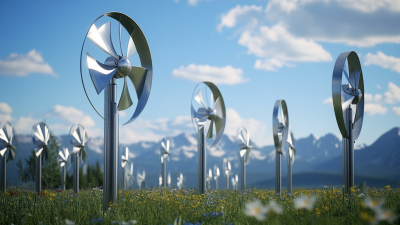
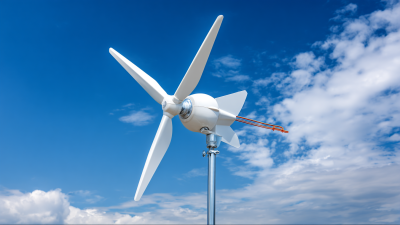
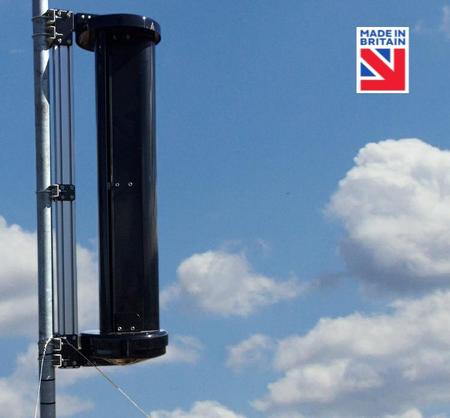
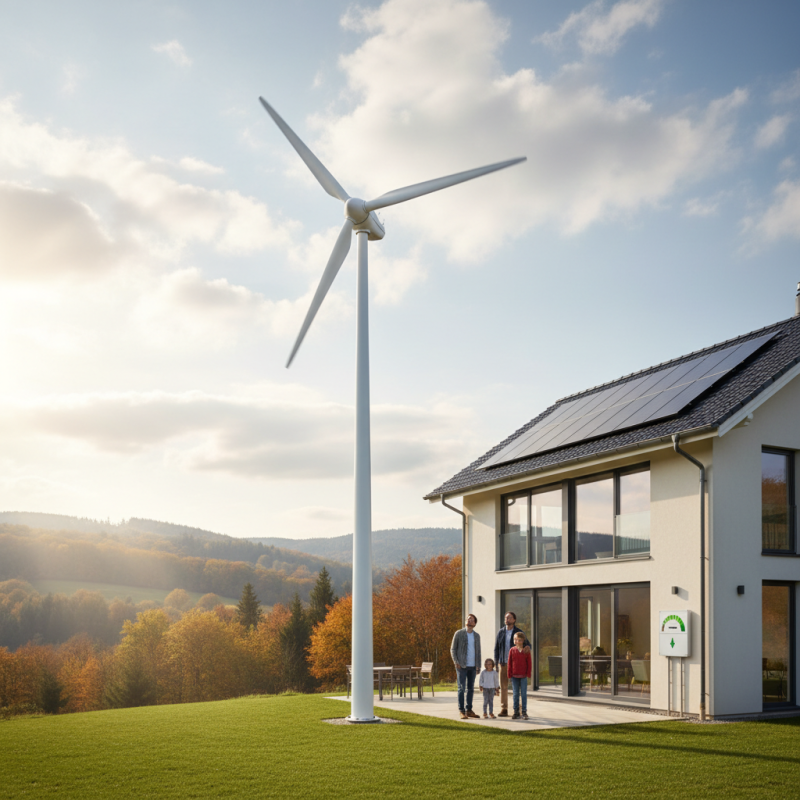
When considering a domestic wind turbine for your home energy needs, it's important to understand the various types and functions available. Generally, domestic wind turbines can be categorized into two primary types: horizontal axis wind turbines (HAWT) and vertical axis wind turbines (VAWT). HAWTs are the most common and feature two or three blades that rotate on a horizontal axis. They are generally more efficient in capturing wind energy but can be larger and require significant space. Conversely, VAWTs have blades that are oriented vertically, making them suitable for areas with turbulent wind conditions and less space. They are often quieter and easier to maintain, making them a practical option for residential use.
Tips: When choosing a wind turbine, consider your local wind conditions, as the efficiency of any turbine is highly dependent on the average wind speed in your area. It's also crucial to assess local zoning laws and regulations to determine the feasibility of installation. Additionally, think about your energy needs and whether a small-scale turbine can adequately meet them, or whether a larger system may offer better efficiency and production.
Understanding the different functions of these turbines is also vital. Domestic wind turbines generate electricity that can be used to power your home directly or be fed back into the grid, potentially offering financial benefits through net metering. Moreover, some systems are designed to work in tandem with solar panels, maximizing renewable energy usage and minimizing reliance on conventional power sources. The right choice can significantly contribute to your energy independence and sustainability goals.
Assessing Your Home's Energy Needs for Wind Power Generation
Assessing your home's energy needs is a crucial step in choosing the best domestic wind turbine. To begin, it's important to calculate your average energy consumption, which can typically be found on your electricity bill. According to a report by the U.S. Department of Energy, the average American household uses about 877 kWh per month. It’s essential to factor in specific usage patterns, seasonal variations, and any potential future energy needs, such as electric vehicles or home expansions.
Once you have a clear understanding of your energy consumption, the next step is to evaluate the wind resources available at your location. The wind strength and consistency can greatly influence the efficiency of a wind turbine. The National Renewable Energy Laboratory (NREL) suggests that sites with average wind speeds of at least 5.0 m/s are generally suitable for small wind turbines. By utilizing tools like wind maps and local anemometer data, homeowners can assess if their geographical area can provide sufficient wind energy to meet their calculated needs. Choosing a turbine that can adequately harness these wind resources will be key to maximizing energy production and achieving greater energy independence.
Assessing Your Home's Energy Needs for Wind Power Generation
Evaluating Site Conditions for Optimal Wind Turbine Performance
When choosing the best domestic wind turbine for your home energy needs, evaluating site conditions is crucial for ensuring optimal performance. Wind speed, one of the most significant factors, should ideally range between 10 to 20 mph (4.5 to 9 m/s) for efficient energy production. According to the National Renewable Energy Laboratory (NREL), a site with an average wind speed above 12 mph can yield enough power to justify the installation of a small wind turbine, allowing homeowners to harness renewable energy effectively.
In addition to wind speed, the height and terrain of your location significantly influence turbine efficiency. NREL reports that wind speed increases with height, which means installing a turbine at least 30 feet above ground level can enhance energy generation. Furthermore, flat terrain with minimal obstructions, such as tall buildings or trees, can provide an uninterrupted flow of wind, optimizing turbine output. Prospective turbine owners should conduct a thorough site assessment, including wind measurements taken over a period of time, to gather data for making informed decisions about their investment in wind energy.
How to Choose the Best Domestic Wind Turbine for Your Home Energy Needs - Evaluating Site Conditions for Optimal Wind Turbine Performance
| Dimension |
Value |
| Average Wind Speed (m/s) |
5.4 |
| Optimal Turbine Height (m) |
10-15 |
| Distance from Obstacles (meters) |
50 |
| Rated Power Output (kW) |
5 |
| Land Area Requirement (square meters) |
20 |
| Installation Cost (USD) |
10,000 |
| Annual Energy Production (kWh) |
8,760 |
| Return on Investment Period (years) |
7 |
Calculating Costs and Financial Incentives for Residential Wind Turbines
When considering the installation of a domestic wind turbine, it is crucial to accurately calculate the associated costs and identify potential financial incentives.
The initial investment typically includes the price of the turbine itself, installation expenses, and any required permits or connection to the local grid. Costs can vary significantly based on the turbine's capacity, quality, and local installation conditions. Additionally, it is essential to factor in ongoing maintenance expenses, which can affect the long-term financial viability of the investment.
Financial incentives play a vital role in offsetting these costs and enhancing the appeal of residential wind energy systems. Many regions offer tax credits, rebates, and grants specifically designed to promote renewable energy adoption. Homeowners may also benefit from net metering schemes, where excess energy produced by the wind turbine is sold back to the grid, effectively providing additional revenue or reducing electricity bills. It is recommended to research local, state, and federal programs to maximize financial benefits, as these incentives can significantly reduce the payback period and overall financial burden of installing a domestic wind turbine.
Choosing the Right Size and Capacity for Your Home Wind System
When selecting a domestic wind turbine, understanding the size and capacity needed for your home is crucial. Typically, the capacity of a wind turbine is measured in kilowatts (kW), and homeowners should first assess their energy needs. According to the U.S. Department of Energy, the average American household consumes about 877 kWh per month, which translates to roughly 29 kWh per day or about 1.2 kW per hour. A small residential wind turbine might have a capacity ranging from 400 watts to 10 kW, making it vital to choose one that aligns with your household's energy consumption patterns.
Moreover, it’s important to consider the wind resource available in your area. The ideal location for a wind turbine requires annual average wind speeds of at least 5.0 meters per second (m/s) or more. The National Renewable Energy Laboratory (NREL) report indicates that wind turbine performance is highly influenced by height and local terrain; a turbine placed 30 feet above ground can yield 2 to 3 times more energy than one placed at 10 feet. Thus, evaluating both your energy needs and local wind conditions will empower you to select the appropriate size and capacity for your home's wind energy system, ultimately leading to greater energy independence and savings.