How to Choose the Best Affordable Portable Power Stations for Camping?
Choosing the best affordable portable power stations for camping can be a daunting task. With so many options available, it’s crucial to prioritize your needs. Camping expert John Thompson states, “A reliable power source can truly enhance your outdoor experience.” This highlights the importance of finding a power station that fits both your budget and camping requirements.
When considering the best affordable portable power stations for camping, think about power output and battery capacity. Look for models that are lightweight and easy to carry. Brands that offer durability and performance at an affordable price point are often the best choice. However, navigating through different models can be overwhelming. It often feels like every option out there claims to be the best.
Additionally, don't forget to consider user reviews and expert opinions. Genuine feedback can reveal both the strengths and weaknesses of each power station. Not every model will be perfect for every camper. Some users find limitations in battery life or charging ports. Weigh these factors carefully to ensure you make an informed decision.
Factors to Consider When Choosing Portable Power Stations for Camping
Choosing the right portable power station for camping requires careful consideration of several factors. Start with the power capacity. Determine how much power you need for your devices. Think about your essentials, like lights or phone chargers. A unit with limited capacity may leave you in the dark.
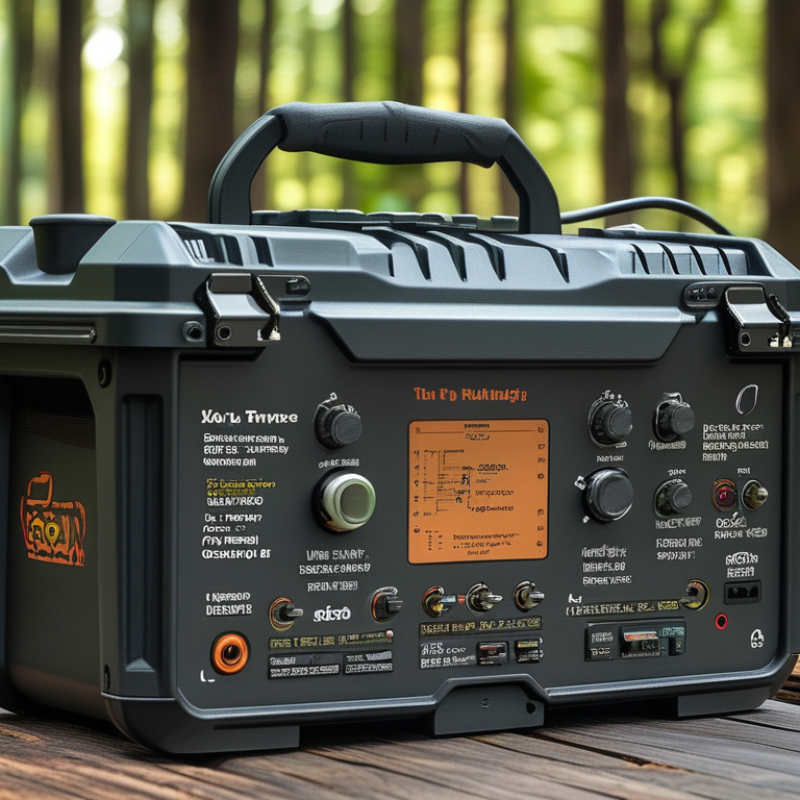
Next, consider the weight and portability. If you're trekking to your campsite, a lighter model is ideal. Heavy power stations can be cumbersome. Look for compact designs that fit easily in your backpack. Some portable units have built-in handles for easy transport, which can be a lifesaver on long hikes.
Battery type is another crucial factor. Lithium-ion batteries offer higher efficiency and longer lifespans but may be more expensive. Lead-acid options are cheaper but bulkier. Reflect on how often you'll use the station. Frequent campers might find lithium models worth the investment. Lastly, check the charging options available. Solar compatibility can offer a sustainable energy source while camping.
How to Choose the Best Affordable Portable Power Stations for Camping?
| Factor | Description | Importance Level |
| Battery Capacity | Measure of how much energy the station can store, usually in watt-hours (Wh). | High |
| Weight | The overall weight of the power station, affecting portability. | Medium |
| Port Availability | Number and type of ports available for charging devices (USB, AC, DC). | High |
| Recharge Time | Time required to fully recharge the power station. | Medium |
| Durability | Resistance to outdoor usage conditions like heat, cold, and moisture. | High |
| Price | Overall cost of the power station, ensuring it fits within budget. | High |
Understanding Power Needs: Watts, Amp Hours, and Compatibility
When choosing an affordable portable power station for camping, understanding power needs is crucial. Watts and amp hours are essential metrics. Watts indicate the power output of devices you want to use. For instance, a standard camping light may require 10-20 watts. However, larger appliances like a mini-fridge can consume 50-100 watts or more. This distinction is vital, as you'll need a power station capable of supplying sufficient watts for your devices.
Amp hours (Ah) help gauge the energy storage capacity. For example, a power station rated at 200 watt-hours (Wh) can power a 100-watt light for about two hours. Reports suggest that most people camp with devices averaging around 200-300 watt-hours. Thus, it’s practical to choose a station that exceeds your total wattage requirements. Consider charging multiple devices simultaneously; this might increase your energy demands quickly.
Compatibility is another factor to weigh. Many power stations come with varied outputs, such as AC, USB, and DC ports. Check your devices' plug types and voltage requirements. Some consumers have reported issues when their power stations could not properly connect to essential equipment. Research shows that a thoughtful selection of wattage and amp hours, combined with device compatibility, ensures a more enjoyable and dependable camping experience.
Portable Power Stations Comparison for Camping
Comparing Battery Types: Lithium-ion vs. Lead-acid for Portability
When choosing a portable power station for camping, battery type is crucial. Lithium-ion and lead-acid batteries are the main options, each with pros and cons. Lithium-ion batteries are known for their lightweight design and higher energy density. They often last longer and can be charged more cycles before losing capacity. On the other hand, they can come with a higher upfront cost.
Lead-acid batteries are heavier but are often more affordable. They have been around for decades and are reliable for basic needs. However, they take longer to charge and generally have a shorter lifespan. They can be cumbersome to transport. If weight is a concern, you might have to compromise on battery life or affordability.
In real-world scenarios, campers might overlook these factors under the excitement of a trip. Rushing the decision can lead to regrettable choices. A portable power station should balance your energy needs with portability and the type of activities planned. Assessing your specific requirements will yield a more satisfying experience in the great outdoors.
Evaluating Portability Features: Size, Weight, and Handle Design
When selecting portable power stations for camping, it’s essential to consider portability features like size, weight, and handle design. The weight of the power station is crucial. A lighter unit makes it easy to transport over uneven terrain. Carrying a heavy power station can quickly become exhausting. Ideally, look for a unit weighing under 20 pounds.
In addition to weight, size plays a significant role. A compact design allows for easier storage in a vehicle. Ideally, your selected power station should fit snugly in your camping gear. Bulky models can be cumbersome, taking up valuable space. Check dimensions before purchasing. An overview of your vehicle’s storage means can guide your choice.
Handle design also affects portability. Ergonomic handles can ease the strain on your hands during transport. A sturdy handle ensures that the power station is less likely to slip. Some models come with wheels for easy movement, which can be beneficial on longer trips. Ensure that the design aligns with your camping needs, considering both the distance and environment you’ll encounter. Reflect on your priorities during use: what matters most to you? Comfort? Portability? Adjust your selection based on these reflections.
Cost-Effectiveness: Budgeting for Quality Without Sacrificing Performance
When selecting a portable power station for camping, understanding cost-effectiveness is crucial. Many consumers face a common dilemma: balancing budget constraints with performance requirements. A recent industry report suggests that the average cost of a reliable portable power station ranges from $200 to $500. This range should guide your budgeting process. However, not all options within this range will meet your power needs effectively.
Investing in a high-quality power station can enhance your camping experience. A study indicated that units with a capacity of at least 300Wh can power devices like mini-fridges or lights for extended periods. While lower-priced options may be attractive, they often compromise capacity or durability. Moreover, some units may claim high power outputs but only sustain them for short durations.
Sometimes, spending more upfront saves money in the long run. Choosing a reliable station ensures fewer replacements. Consumer reports reveal that about 70% of buyers regretted purchasing cheaper units due to poor performance. Reflecting on these choices is vital in making an informed decision. Look for reviews that highlight long-term reliability. This approach helps find effective solutions while staying within budget.