How to Choose the Best Wind Turbine Generator for Home Use?
As the demand for renewable energy grows, many homeowners are considering a Wind Turbine Generator for Home use. According to the U.S. Department of Energy, small wind turbines can reduce electricity bills by up to 70%. This statistic underlines the potential savings for homeowners who invest in wind energy. However, choosing the right wind turbine generator is not a straightforward task.
Factors like local wind speeds, zoning regulations, and installation costs must be considered. Homeowners often overlook these details. Research indicates that proper site assessment can increase energy production by 30% or more. Yet, many may find themselves disappointed by selecting the wrong model or placement. Additionally, noise levels and aesthetic concerns can impact home value.
Understanding these nuances is crucial. Reliable information and expert consultation play significant roles in this process. Evaluating product specifications and reading user reviews on trusted platforms can help. A thoughtful approach will ensure optimal performance and satisfaction with a Wind Turbine Generator for Home.

Understanding Wind Energy: Basics and Benefits
Understanding wind energy is essential for homeowners considering a wind turbine generator. Wind energy harnesses the natural movement of air and converts it into electricity. This process relies on turbines, which can be installed in various settings. Homeowners can benefit from reduced electricity bills and a smaller carbon footprint. The technology is increasingly accessible and affordable.
The benefits of wind energy extend beyond just savings. It is a renewable energy source that reduces reliance on fossil fuels. Wind turbines can operate in diverse environments, making wind energy a viable option for many. However, the efficiency of a wind turbine depends on location, wind patterns, and installation. Choosing the right turbine is crucial. It's important to research and understand local zoning laws and wind resource assessments.
While wind energy offers numerous advantages, challenges exist. Not all regions receive consistent wind. Maintenance can be necessary, and noise may concern some communities. Assessing these factors can lead to a more informed decision. Potential buyers should consider their specific needs and local conditions.
How to Choose the Best Wind Turbine Generator for Home Use?
| Feature |
Value |
| Rated Power Output |
1 kW - 10 kW |
| Tower Height |
30 ft - 120 ft |
| Diameter of Rotor |
6 ft - 20 ft |
| Average Wind Speed Required |
10 mph - 20 mph |
| Installation Type |
Grid-Tied / Off-Grid |
| Maintenance Frequency |
Annual |
| Noise Level |
30 dB - 50 dB |
| Expected Lifespan |
20 years |
Assessing Your Energy Needs for Home Wind Power
Choosing the right wind turbine generator for your home begins with assessing your energy needs. Start by calculating your average energy consumption. Look at your utility bills for the past year. This gives a clear picture of your monthly usage. Take note of seasonal variations. Some months, your needs might increase, especially during summer or winter.
Next, consider the available wind resource in your area. Not all locations are equally suitable for wind power. Use local meteorological data to evaluate average wind speeds. Typically, a site with consistent wind speeds of 10 mph or higher is ideal. Evaluate potential sites for your turbine. Open fields or elevated locations usually provide better wind access.
Once you've gathered this information, align it with the specifications of various turbine models. Each turbine has a rated capacity measured in kilowatts. Match this with your calculated energy needs while factoring in inefficiencies. You may find that some models will not meet your requirements. Exploring options with varying capacities can be helpful. Don't hesitate to seek expert guidance if uncertain, as this decision can greatly impact your home's energy future.
Evaluating Different Types of Wind Turbines for Residential Use
When choosing wind turbines for home use, it’s crucial to understand the various types available. Horizontal-axis wind turbines (HAWT) are the most common type. They feature two or three blades mounted on a tall tower. However, they require a minimum wind speed to operate efficiently. This means they may not be suitable for all locations. Those living in areas with inconsistent wind profiles might find HAWTs less effective.
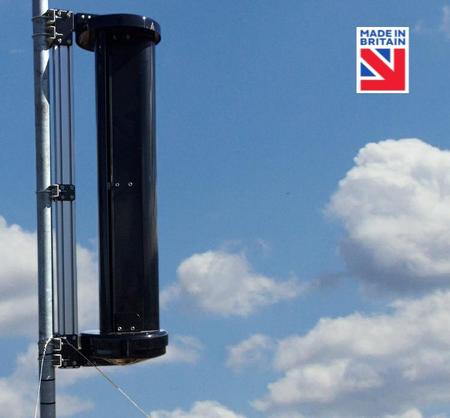
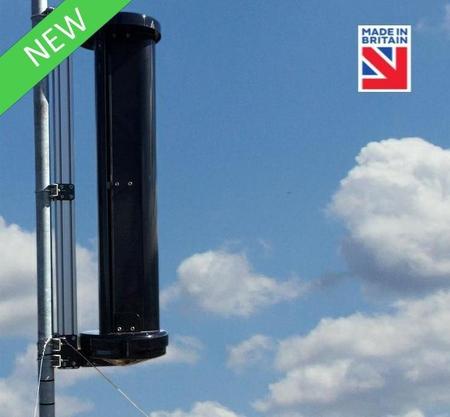
Vertical-axis wind turbines (VAWT) present a promising alternative. They operate at different wind speeds and are often quieter than HAWTs. Their unique design typically allows for easier maintenance. However, they are less common, so it may be harder to find reliable options. Before choosing, consider your local wind patterns, space, and budget. Some users find it beneficial to seek professional advice. It can help in assessing specific needs. Each type of turbine has its pros and cons, and the best choice depends on individual circumstances.
Key Factors to Consider When Choosing a Wind Turbine Generator
Choosing the right wind turbine generator for home use involves evaluating several essential factors. An important aspect is the turbine’s energy output, measured in kilowatts. Homeowners must assess their energy needs and decide on the output capacity that will sufficiently power their appliances.
Noise levels are also a crucial consideration. Some turbines produce significant sound during operation, which can be disturbing if located near living spaces. It's worth noting that even quieter models may not suit every environment. Checking local regulations regarding noise is advisable, as some areas impose strict limits.
Another factor is the installation process. Some turbines require professional setup, while others are more user-friendly. DIY enthusiasts may prefer a turbine that allows for easier self-installation. It’s vital to review local wind conditions, as the energy efficiency of the turbine can vary significantly based on location. Not every site will yield optimal performance, so researching historical wind data can inform better choices.
Installation and Maintenance Tips for Home Wind Turbines
Installing a home wind turbine can be a rewarding yet complex task. Proper site analysis is crucial before installation. Choose a location with ample wind exposure, ideally above obstacles like trees or buildings. Consider wind patterns in your area. Accurate data collection can inform your choice of turbine size. This ensures efficient energy production.
Maintenance is essential for optimal performance. Regularly inspect the turbine for wear and tear. Check the blades for debris or damage, as this can affect efficiency. Keep moving parts lubricated. Power systems should be monitored to prevent inefficiencies. It’s wise to document maintenance activities, allowing for better tracking over time.
Reflect on your installation choices. Did the turbine meet your energy needs? Were local regulations followed appropriately? Continuous learning will improve your experience. Join online forums for community advice and shared experiences. This ongoing dialogue can highlight different challenges or techniques that might not be initially obvious.