

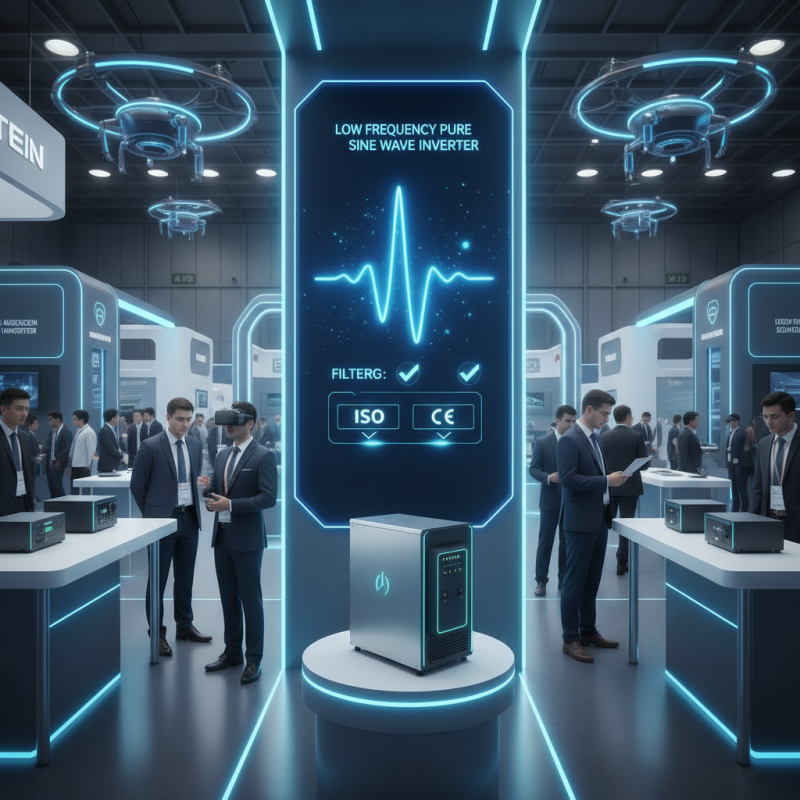
Choosing the right Low Frequency Pure Sine Wave Inverter is crucial for various applications. At the upcoming Canton Fair in 2026, you'll find a wide range of models and suppliers. With the introduction of AI technology, navigating the fair will be easier than ever. You can quickly filter suppliers based on essential certifications like ISO and CE.
During the fair, pay attention to the specifications of different inverters. Consider factors such as power output, efficiency, and durability. A quality inverter can significantly enhance the efficiency of your electronic devices. However, not all advertised models are reliable. Some may lack proper testing or certifications.
Evaluate the exhibitors carefully. Ask questions about their products and request demonstrations. This can help you identify reputable suppliers. Engage with multiple brands to compare features and prices. Finding the right inverter takes time and effort. Make informed decisions to ensure the best choice for your needs.
Low frequency pure sine wave inverters are essential for many applications. They provide a stable and clean power source. Understanding their basics is key to making a good choice.
One important factor is wattage. Determine how much power you need. Consider your appliances. Each has a specific consumption. Avoid under-sizing your inverter. This can lead to overheating.
Tips: Calculate the total wattage of all devices. Don’t forget to include surge power for starting motors. A small inverter may seem tempting. But it might fail under load.
Another aspect is efficiency. Low frequency inverters tend to have higher efficiency. This means less energy wasted as heat. Look for one that converts more power. Check for good reviews on performance.
Tips: Inquire about the inverter's efficiency rating. Speak with vendors about real-world performance. Don’t rely solely on specifications. Real-user feedback can reveal a lot.
Lastly, consider the physical size. Larger units handle more power, but weigh more. Think about where you'll install the inverter. Make sure there is enough airflow around it. A cramped space can lead to failures.
When attending the Canton Fair, it's crucial to examine low-frequency pure sine wave inverters closely. These inverters are essential for various applications, including solar energy systems and backup power supplies. One key feature to look for is the inverter's output waveform. A pure sine wave output ensures compatibility with sensitive electronic devices. Pay attention to how the waveform is generated and tested.
Another important aspect is the inverter's efficiency. Higher efficiency means less energy loss during conversion. Look for models that provide high efficiency ratings. It's also wise to consider the inverter's power rating. Make sure it can handle your power requirements safely. Sometimes, manufacturers provide theoretical data without real-world testing results. It’s essential to verify those details.
Durability is another factor worth reflecting on. Many inverters are subjected to various environmental stresses. Check for robust construction and heat management features. Inverters operating in extreme conditions can fail if not designed properly. Inspecting these aspects at the Fair will help you make a more informed decision when selecting the right inverter.
When visiting the Canton Fair, assessing brand reputation is crucial. A reliable brand usually reflects quality. Look for long-standing companies with positive feedback. Check for customer testimonials and ratings. This information can provide insight into their reliability.
Manufacturer reliability is just as important as brand reputation. You may find several manufacturers offering low frequency pure sine wave inverters. However, not all are trustworthy. Visit booths and ask direct questions. Observe how they respond. Effective communication indicates professionalism.
It may be tempting to choose a product based solely on price. This can lead to regrets later. Investing in a reputable brand reduces risks. Think about warranty offers and support services, as they are indicators of a manufacturer’s reliability. Not all manufacturers provide the same level of after-sales support. Reflect on your priorities before making a choice.
When attending the Canton Fair, selecting a low-frequency pure sine wave inverter requires understanding the price points carefully. Prices can vary widely. Some inverters may seem cheap but can lack quality. Others might be more expensive but offer better performance and durability. This makes it crucial to balance cost with value.
When assessing value, consider the specifications. A good inverter should provide stable output, low harmonic distortion, and efficient energy conversion. Pay attention to the warranty and after-sales support. Sometimes, brands with a higher initial cost might save you money in the long run. Customer reviews can also reveal hidden issues.
Mind the fine print. Some inverters might have additional costs, including shipping or installation. Take your time to evaluate all aspects before making a purchase. Ask questions and gather information. Adjust your expectations based on what you find. It is easy to overlook certain details. Many buyers regret rushing decisions at trade shows.
Navigating the Canton Fair can be overwhelming, especially when selecting a low frequency pure sine wave inverter. This event showcases a myriad of manufacturers and products, making it crucial to identify key features early on. Focus on the inverter's power output, efficiency ratings, and safety standards. Recent data suggests that inverters with a peak efficiency above 90% significantly reduce energy losses (Source: Industry Efficiency Report 2023).
When walking the aisles, don't shy away from asking manufacturers challenging questions. Understand their production processes and quality controls. High-performing inverters often come with robust certifications. Dive deeper into the specifications. Consider input voltage ranges and surge capabilities. Many buyers overlook these details, leading to future complications.
Tips:
- Bring a checklist of essential features.
- Take notes on each model’s performance metrics.
- Observe how manufacturers address your inquiries.
This interaction can reveal their level of expertise. Keep an eye out for customer feedback. Often, user experiences highlight overlooked performance issues. It's essential to weigh these insights against specifications. The right inverter should seamlessly integrate into your energy system.
Our Off-grid experts will come back with recommendations

Stay up to date with Leading Edge innovations and offers by joining our mailing list. Occassionally we send informative newsletters, offers and promotions that we think you'll find useful or interesting.