How to Choose the Best Robot Lithium Battery for Your Needs?
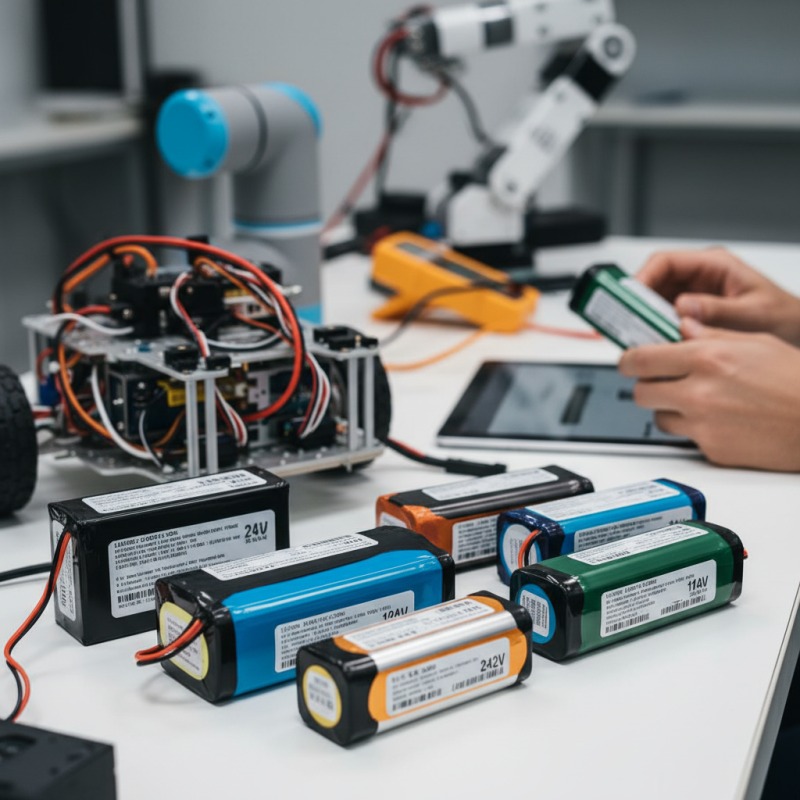
Choosing the right robot lithium battery can be a daunting task. Many options exist, each with unique features and specifications. Evaluating your specific needs is essential. A poorly chosen battery can affect performance and longevity in unexpected ways.
When considering your choices, think about the application of your robot. Will it require extended run times, or will quick bursts of power suffice? Understand the required voltage and capacity. Each battery type varies widely, impacting efficiency and overall functionality. A mismatch could lead to issues or even failure.
While these details may seem confusing, they are crucial for success. A little research can prevent mistakes. Don't hesitate to seek expert opinions. Taking the time to analyze your requirements will lead to a better selection. The right robot lithium battery enhances performance and reliability, effectively meeting your needs.
Understanding Lithium Battery Basics for Robots
Choosing the right lithium battery for your robot is crucial. Lithium batteries are lightweight and have high energy density. They provide great power for various robotic applications. Understanding their basic characteristics helps in making informed decisions.
The voltage of a lithium battery affects its performance. A higher voltage means more power output, but it may lead to overheating. Capacity, measured in amp-hours (Ah), indicates how long a robot can run. A larger capacity can be beneficial, but may also increase weight.
**Tips:** Always check the discharge rate. A battery with a high discharge rate can provide bursts of power. This is essential for robots that require quick acceleration.
Another point to consider is charging cycles. Lithium batteries have a limited lifespan. Over time, their capacity diminishes. Ensure you know how often you'll need to replace the battery. This can impact your long-term project budget.
**Tips:** Keep track of your battery's health. Use a battery management system for better longevity. This will help avoid unexpected failures during critical tasks.
Battery Capacity Comparison for Robot Applications
This chart compares the battery capacities of various lithium battery types commonly used in robot applications. While selecting a battery, consider both the capacity and the application's specific voltage requirements.
Key Specifications to Consider When Choosing Robot Batteries
When selecting the best robot lithium battery, key specifications are crucial. Voltage is one of the most important criteria. Robots often require specific voltage levels to operate efficiently. A mismatch can lead to poor performance or even damage.
Capacity is another critical specification to consider. Measured in milliamp hours (mAh), capacity indicates how long the battery can power the robot. A higher capacity typically means longer operation time. However, larger batteries can increase weight. This can affect maneuverability and speed.
Charging time also matters. Some batteries take hours to charge fully, while others require only a few minutes. Think about your application. Long charging times can hinder productivity. Always check the cycle life as well. Batteries degrade with use. Finding a balance between performance and longevity is essential. Consider your specific needs carefully.
Assessing Capacity and Energy Needs for Robot Applications
When selecting a lithium battery for robotics, capacity is crucial. The capacity, measured in amp-hours, defines how much energy the battery can store. You must understand the energy requirements of your robot. If a robot runs on 10 amps, a 20 amp-hour battery will support it for two hours. However, this calculation is theoretical. Real-world performance may vary due to factors like temperature and load.
Energy needs can differ significantly based on the robot's function. A robot designed for heavy lifting will drain its battery quicker than a simple mobile robot. Even small components can impact energy consumption. Sensors, motors, and extra features all require power. It's wise to account for these elements and allow a margin of extra capacity for unexpected demand.
Many often overlook the discharge rate. Choosing a battery with an adequate discharge rating can prevent performance issues. Overestimating battery capabilities might lead to failure during crucial tasks. Some users face rapid power drops, leaving their robots stranded. Engaging in thoughtful estimation of energy needs can yield better outcomes. Testing and adjustments are essential in this process, and learning from mistakes can lead to improved decisions in the future.
Comparing Battery Chemistry Types for Optimal Performance
Choosing the right battery chemistry is crucial for robot performance. Lithium-ion and lithium polymer are popular choices. Lithium-ion typically has a higher energy density. That means more power in a smaller package. It's ideal for space-constrained designs. According to a report from the Battery Intelligence Institute, lithium-ion batteries can achieve an energy density of around 250 Wh/kg.
On the other hand, lithium polymer batteries offer flexibility in shape. They can be made thinner or formed into various shapes. This adaptability can be essential for specific robot designs. However, they may have a shorter lifespan under heavy use. Data shows that lithium polymer batteries can lose about 20% capacity after 300 charge cycles.
Consider the trade-offs between these chemistries. Lithium-ion batteries deliver more energy but can be bulkier. Lithium polymer allows for unique designs but requires careful management. Assess your specific needs carefully before deciding. Balancing capacity, weight, and form factor is key. Take time to reflect on how these choices affect your robot's performance. The right chemistry will hinge on your specific application, so choose wisely.
Evaluating Cost and Lifespan Factors in Battery Selection
When selecting a robot lithium battery, cost and lifespan are two vital factors. Cost can vary widely, depending on capacity and quality. A higher upfront price usually means better materials and a longer lifespan. However, it’s essential to consider how often you will use the battery. For casual users, investing in an expensive battery might not be worth it.
Lifespan is measured in charge cycles. A battery's performance degrades over time. Manufacturers often provide cycle estimates. These figures can be misleading. Real-world use may yield different results. Factors like temperature and usage patterns significantly impact longevity.
Choosing the best battery requires thoughtful reflection on these aspects. Not every battery will suit your needs. Sometimes the most affordable option isn't the best in the long run. Evaluate how each choice aligns with your robot’s operational demands. Take time to analyze your unique situation. This will help avoid costly mistakes down the line.