How to Choose the Best Small Wind Turbine?
Choosing the best Small Wind Turbine is not simply a matter of comparing rated power. A machine labeled “5 kW” may produce far less energy on a turbulent suburban roof. Real performance depends on wind speed, tower height, air density, maintenance, and local obstacles. A nearby tree can matter more than a glossy brochure.
Industry data supports careful evaluation. The U.S. Department of Energy’s 2023 Distributed Wind Market Report recorded 15.3 MW of distributed wind additions across 1,745 turbines in the United States during 2022. This figure shows steady practical demand, but it also reveals the market’s modest scale compared with utility wind. IRENA’s Renewable Capacity Statistics 2024 reported more than 1,000 GW of global wind capacity by the end of 2023, although most of that capacity came from large projects. Small systems require different evidence.
Start with measured conditions. A professional assessment should examine wind speed at the proposed hub height, turbulence, seasonal variation, and nearby buildings. Manufacturer power curves should be checked against independent testing whenever possible. The International Electrotechnical Commission’s IEC 61400-2 standard provides important design and safety guidance for small wind turbines. Certification does not guarantee a good investment, however.
Look beyond the turbine. Compare the tower, inverter, batteries, controls, foundation, delivery, inspections, and long-term servicing. Ask how quickly replacement parts can arrive. Ask for field data from similar sites. A low purchase price can hide expensive maintenance. Payback estimates can also look too optimistic when they ignore weak wind months, downtime, or battery replacement. Some assumptions will remain imperfect. That is exactly why cautious decisions outperform impressive promises.

Define Your Energy Needs and Wind Resource
Choosing the best small wind turbine starts with your actual energy needs, not the turbine’s advertised output. List every major load, including lighting, refrigeration, water pumping, heating, and battery charging. Record their wattage and daily operating hours. Seasonal changes matter too. A house may use 12 kWh daily in summer but much more during winter.
Peak demand also deserves attention. Several appliances starting together can exceed a turbine’s normal output. Check your electricity bills for at least twelve months. This creates a more reliable baseline. A common mistake is sizing equipment from average consumption alone. It can leave batteries undercharged during high-demand periods.
Your wind resource needs careful measurement. Do not depend only on a windy afternoon or a nearby weather app. Measure wind speed near the planned tower height, ideally for twelve months. Nearby buildings, trees, and ridges can create turbulence and reduce performance. A clear, elevated site usually provides cleaner airflow. Even small height differences can change results significantly. Professional site assessment is valuable when the terrain is complex. I would not skip this step, although budget pressure often makes it tempting.
Tips: List essential loads separately from optional ones. Measure wind before purchasing equipment. Compare annual energy estimates with your real consumption. Ask an experienced installer to review tower height, turbulence, maintenance access, and safety clearances. Calibration can be imperfect. Document assumptions and revisit them before installation.
Compare Small Wind Turbine Types and Key Specifications
How to Choose the Best Small Wind Turbine?
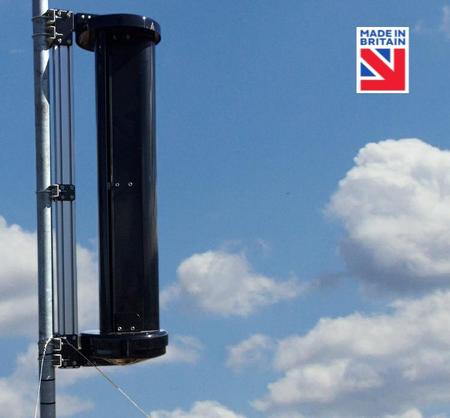
Small wind turbines usually fall into two groups: horizontal-axis and vertical-axis designs. Horizontal-axis models often deliver better energy yield in open, steady winds. Vertical-axis models can tolerate changing wind directions, but their real-world output may be lower. The U.S. Department of Energy’s Distributed Wind Market Report 2023 recorded more than 1 GW of distributed wind capacity in the country. However, installed capacity alone does not prove good performance at your site.
Compare rotor diameter, swept area, rated power, cut-in speed, rated wind speed, and cut-out speed. A “5 kW” turbine may produce little energy if average wind speed stays below its rated range. The International Electrotechnical Commission’s IEC 61400-2 standard provides safety and testing guidance for small wind turbines. IRENA’s Renewable Capacity Statistics 2024 reported global wind capacity above 1,000 GW, yet large utility turbines dominate that figure. Small systems need closer attention to turbulence, tower height, and maintenance access. I have seen specifications look impressive on paper, while nearby trees quietly reduce output.
Tips: Measure wind at hub height for several months. Use a certified anemometer, not a rooftop weather app. Check the power curve, warranty conditions, inverter compatibility, and battery losses. A taller tower may outperform a larger rotor in turbulent locations. This is easy to underestimate. Avoid choosing from rated watts alone; annual energy production matters more.
How to Choose the Best Small Wind Turbine? - Compare Small Wind Turbine Types and Key Specifications
| Turbine Type |
Typical Rated Power Range |
Typical Rotor Size |
Typical Cut-in Wind Speed |
Typical Rated Wind Speed |
Typical Survival Wind Speed |
Practical Power Coefficient (Cp) |
Best Applications |
Main Advantages |
Main Limitations |
| Three-Bladed Horizontal-Axis Wind Turbine (HAWT) |
400 W–100 kW |
1.5–24 m diameter |
2.5–4 m/s |
9–13 m/s |
40–60 m/s, depending on design |
0.25–0.45 |
Rural properties, farms, microgrids, battery charging, and grid-connected sites with a clear wind resource |
Highest energy yield among common small-turbine designs; mature aerodynamics; good performance in steady, unobstructed wind |
Requires a yaw system or tail, a suitable tower, regular maintenance access, and adequate distance from buildings and turbulence |
| Two-Bladed Horizontal-Axis Wind Turbine (HAWT) |
1–50 kW |
2–16 m diameter |
2.5–4 m/s |
9–14 m/s |
40–60 m/s, depending on design |
0.25–0.42 |
Small off-grid systems and sites where lower rotor mass is valuable |
Lower material use and lighter rotor than a comparable three-bladed design; efficient in strong, consistent wind |
Greater vibration and cyclic loading; usually less smooth and less visually stable than a three-bladed rotor |
| Savonius Vertical-Axis Wind Turbine (VAWT) |
100 W–10 kW |
0.5–6 m rotor height; 0.5–4 m rotor diameter |
1.5–3 m/s |
8–14 m/s |
25–45 m/s, depending on structure and braking system |
0.10–0.20 |
Low-power lighting, sensors, ventilation support, educational installations, and locations with frequently changing wind direction |
Accepts wind from any horizontal direction; high starting torque; generator can be installed near ground level |
Lower aerodynamic efficiency and annual energy output; usually unsuitable when maximum electricity production is the priority |
| Darrieus Vertical-Axis Wind Turbine (VAWT) |
500 W–50 kW |
1–15 m rotor height; 1–12 m rotor diameter |
3–5 m/s; some designs need a starting assist |
9–14 m/s |
35–55 m/s, depending on design |
0.20–0.40 |
Urban-edge, rooftop-adjacent, or visually constrained sites only after a site-specific wind assessment |
No yaw mechanism; accepts changing wind direction; generator and gearbox may be located close to the ground |
Cyclic structural stress, lower performance in turbulent wind, and possible starting difficulties; rooftop wind is often too turbulent for good output |
How to compare specifications: Rated power is not annual energy production. Estimate expected output from the turbine's power curve, the site's measured wind-speed distribution, hub height, turbulence level, tower type, electrical losses, and availability. The ranges above are representative engineering values for small turbines; actual specifications vary by rotor design, control system, tower height, and certification.
Assess Site Conditions, Tower Options, and Installation Requirements
How to Choose the Best Small Wind Turbine?
Start with the site, not the turbine’s rated output. Measure average wind speed at hub height, ideally across all seasons. Visits can mislead. Nearby trees, roofs, and ridges create turbulence and reduce production. Keep the rotor clear of obstacles, with enough distance for safe maintenance. Noise matters. Discuss sound expectations with nearby occupants before selecting a location. An open field is not automatically ideal; wind direction and turbulence may change across the property.
Tower choice affects energy yield, cost, and safety. A taller tower usually reaches stronger, steadier wind, but it may require deeper foundations and more difficult lifting. Guyed towers can reduce material costs, yet they need substantial ground clearance and regular cable inspections. Freestanding towers use less land, but their foundation demands careful soil assessment. Check drainage, frost depth, access for equipment, and the tower’s structural calculations. I would not trust a visual ground check alone.
Installation planning should include permits, utility requirements, electrical protection, and a clear maintenance route. Confirm whether the system needs an inverter, batteries, or a grid connection. Use weather-resistant wiring, proper grounding, and accessible shutoff equipment. A qualified installer should inspect the foundation, tower alignment, fasteners, and cable tension. Leave room. Small oversights can become expensive repairs. In practice, people often underestimate delivery access and crane clearance. That mistake deserves attention before ordering any equipment.
Calculate Costs, Energy Output, and Long-Term Value
Choosing the best small wind turbine starts with numbers, not appearance. Measure average wind speed at the planned hub height, preferably for twelve months. Rooftop readings can mislead because buildings create turbulence. A taller tower often produces steadier airflow.
Estimate annual energy with this formula: rated capacity × 8,760 hours × capacity factor. A 5-kilowatt turbine with a 20% capacity factor may generate about 8,760 kilowatt-hours yearly. Treat that figure as an estimate. Real output changes with storms, calm weeks, seasonal patterns, and maintenance downtime. Local wind assessments should support the calculation.
Include the complete project cost. Count the turbine, tower, foundation, wiring, controls, transport, permits, installation, and battery storage. Add routine servicing and possible component replacement. Compare yearly energy value with your actual electricity rate, not a national average. If the system produces 8,000 kilowatt-hours and power costs $0.16 per kilowatt-hour, the theoretical annual value is $1,280. My first payback estimate would look attractive until tower work and inverter replacement were included. That mistake is common. A simple payback calculation is useful, but incomplete. Consider expected service life, financing costs, insurance, resale value, and grid connection limits. A turbine with lower output may offer better long-term value if it operates reliably and costs less to maintain. Check independent performance data and qualified installer assessments before committing.
Review Safety Standards, Maintenance, and Local Regulations
Choosing a small wind turbine starts with safety, not advertised power. Look for equipment tested against recognized standards, such as IEC 61400-2 for small wind turbines. Check the tower, blades, braking system, and emergency shutdown controls. A certified electrical professional should review grounding, wiring, and battery protection. One loose connection can create heat inside a weatherproof box.
Maintenance needs a realistic schedule. Inspect blades for cracks, fading, or unusual vibration every few months. Listen for new rattling sounds after strong winds. Check bolts, guy wires, bearings, and tower anchors according to the technical manual. Keep a dated inspection log with photographs. It sounds excessive. It is useful when problems appear slowly. Even careful owners can miss corrosion beneath a washer.
Local rules may control height, setbacks, noise, wildlife protection, and grid connection. Contact the planning office before ordering equipment. Ask for written requirements, not only verbal advice. A site may need structural drawings, electrical permits, or approval from nearby property owners. Homes near airports, heritage areas, or protected habitats can face extra restrictions. Rules differ between towns, and online information may be outdated. I have learned that a legally approved turbine is not always a suitable one. A weak wind resource, difficult access, or ignored maintenance can turn a safe installation into an expensive mistake.
How to Choose the Best Small Wind Turbine?
Review safety standards, maintenance requirements, and local regulations before selecting a turbine.
How to read this chart
The chart shows the IEC 61400-2 reference wind speeds used for small-wind turbine design classes.
A higher design class corresponds to a higher reference wind speed and may be more suitable for sites exposed to stronger winds.
Always confirm that the turbine has appropriate safety certification, a documented inspection and maintenance schedule, and protection against overspeed, extreme wind, and electrical faults.
Safety Standards
Look for conformity with IEC 61400-2 or an applicable national equivalent, including structural, mechanical, electrical, and control-system safety requirements.
Maintenance
Plan routine inspections of blades, fasteners, tower connections, bearings, wiring, grounding, brakes, and storm or overspeed protection according to the installation manual.
Local Regulations
Check zoning approval, setback distances, height limits, noise rules, building permits, grid-connection requirements, and environmental restrictions with the local authority.
Reference: IEC 61400-2 small wind turbine design classes. Local rules and maintenance intervals vary by site, installation type, and jurisdiction.