


Choosing White Birch Veneer in 2026 means balancing appearance, performance, and project requirements. Birch’s pale color and fine grain suit cabinetry, furniture, wall panels, and other interior applications. Yet sheets can vary in tone, grain pattern, thickness, and available dimensions. A photograph rarely tells the whole story.
Start by defining where the veneer will be used and how it will be finished. A clear coat may highlight natural color differences, while stain can make matching more demanding. Check the veneer’s cut, backing, thickness, and stated grade against your design and fabrication process. Ask suppliers for current product specifications and representative samples. Small details matter. A sample can surprise you. View it under the lighting planned for the finished space, and compare several sheets if the project requires a consistent appearance. Also confirm substrate compatibility, adhesive recommendations, and any handling or storage guidance with the supplier or fabricator. These practical checks help prevent avoidable delays and uneven results. Even careful selection cannot remove every natural variation, and that is worth acknowledging early. This guide explains the key choices, questions, and trade-offs to consider when sourcing White Birch Veneer for a project in 2026.
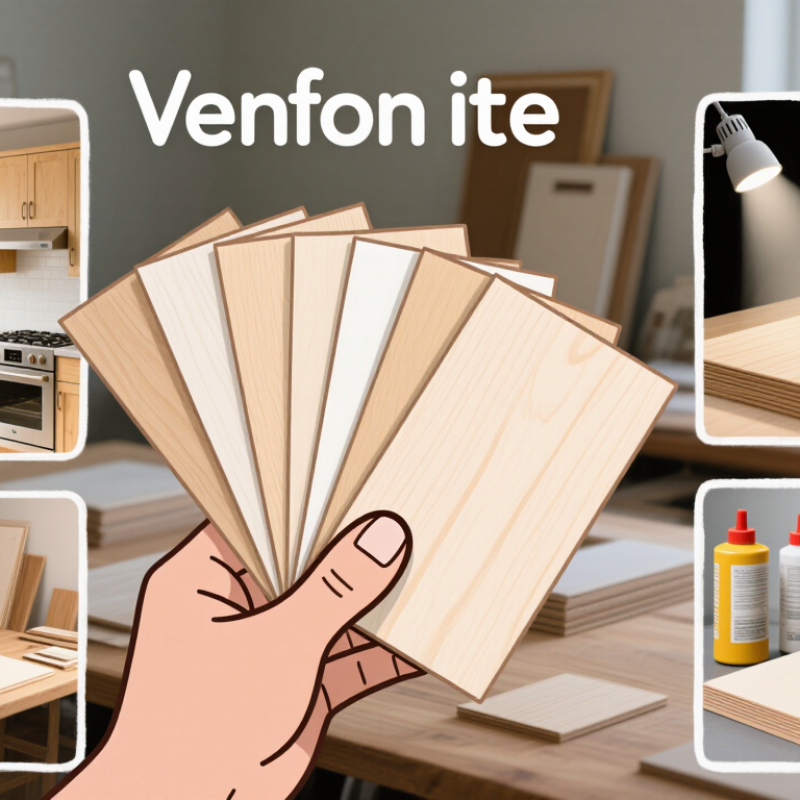
White birch veneer is valued for its pale cream color, fine texture, and generally quiet grain. “White birch” can describe different birch species in trade, so confirm the species on the supplier’s specification sheet. The USDA Forest Products Laboratory’s Wood Handbook (FPL-GTR-282, 2021) gives paper birch a specific gravity of about 0.55. That is a solid-wood reference, not a guaranteed performance rating for a veneered panel. The core, adhesive, and veneer thickness also affect the finished product.
Veneer appearance depends partly on how the log is cut. Rotary-cut sheets often show broader, less regular patterns; plain-sliced sheets typically create cathedral-like arches; quarter-sliced sheets tend to have straighter grain. Inspect actual samples under the lighting planned for the room. Color can shift between bundles, and small mineral marks may remain visible. That distinction matters. Choose a matching sequence for large cabinet runs, but do not assume every sheet will look identical.
For doors or wall panels, ask about face grade, backing, and panel construction, then check samples for seams and surface defects. Check the core. A stable, flat panel matters more than a beautiful veneer face if the project spans wide doors or exposed shelving. The Wood Handbook also documents wood’s response to moisture; veneer panels can still move with changing humidity. Leave suitable movement allowances and follow the panel maker’s installation guidance. One practical caveat: a sample may flatter the grain, so inspect several sheets before approving the order.

Begin with the surface’s daily job. Will white birch veneer face cabinet doors, a reception desk, or a low-traffic wall panel? Doors need consistent color and carefully matched grain; a broad wall can tolerate more variation. View samples upright under the room’s actual lighting. Birch can look creamy in daylight and warmer under soft lamps. Small detail, big difference.
Specify the desired grain, veneer cut, sheet sequence, and finish sheen before approval. Ask for samples from the intended flitch, not just a generic swatch. USDA Forest Products Laboratory’s Wood Handbook places wood’s fiber-saturation point near 30% moisture content; below that point, moisture changes can cause shrinkage or swelling. This is why substrate, adhesive, and room conditions matter alongside appearance. Keep veneer and panels acclimated to the installation environment, and confirm that the core is suitable for the intended use. For damp rooms, get a project-specific recommendation rather than assuming a decorative veneer is moisture-proof. I still find color matching easy to underestimate: a small sample rarely shows how a full run will read.
Thicker veneer generally allows more sanding before the substrate is exposed, while thinner veneer can suit applications where flexibility is important. These are commonly available example thicknesses, not a universal standard; confirm the actual thickness and sanding allowance for your project. Choose the face appearance, backing, and construction to match your visual and functional needs.
White birch veneer can look nearly white in one sheet and warm cream in another. Compare samples under the lighting used in your room. Grades describe appearance, but labels and standards can vary between suppliers. Check the actual sheet for knots, mineral streaks, patches, and color variation. A clean face suits a simple cabinet door; a more varied grade may work well on a larger panel. Small samples help, but they rarely show the full pattern.
Tips: Ask for the grade description and sheet dimensions in writing. Lay out several sheets before cutting. Rotary-cut veneer often has broad, lively grain, while sliced veneer can offer a more directional look. Choose raw veneer for flexible shop work, or backed sheets when easier handling matters. Check backing type and thickness against your adhesive and substrate.
Match the cut and format to the project, not just the photo. Full sheets reduce seams on wide surfaces, while smaller pieces can suit drawer fronts or repairs. Keep sheets flat and let them adjust to the workspace before bonding. A dry layout may reveal color shifts you missed at the sample stage. Even with careful selection, natural veneer can vary; leave room in the design for that.
| Decision Factor | Option | Typical Characteristics | Good Fit For | What to Check Before Buying |
|---|---|---|---|---|
| Face grade | Premium / clear face | Selected for a relatively uniform appearance with few visible natural features. Exact defect limits depend on the supplier’s grading rules. | Visible cabinet doors, furniture fronts, and other areas where a consistent face is important. | Ask for the written grading specification and inspect actual sheets for color variation, patches, splits, and repairs. |
| Face grade | Standard / commercial face | May include more variation in color and grain, along with limited natural features or repaired areas, depending on the seller’s grade definition. | Cabinet interiors, shelving, panels, and projects where moderate variation is acceptable. | Confirm which defects are permitted and whether both faces are graded or only the exposed face. |
| Face grade | Character / natural face | Allows more visible natural variation, such as mineral streaks, small knots, or contrasting color, subject to the supplier’s rules. | Decorative interiors and furniture where a less uniform, natural look is wanted. | Request photos or a sample from the same lot; natural birch color and figure can vary between sheets. |
| Cut | Rotary-cut | A continuous sheet is peeled from a log. The broad, flowing grain pattern can be more varied than sliced veneer. | Large-area coverage, utility panels, and projects where sheet yield or a broad grain pattern is suitable. | Check grain repeat, color consistency, and how the veneer will look when adjacent sheets are joined. |
| Cut | Plain-sliced (flat-cut) | Typically produces cathedral-shaped grain patterns mixed with straighter grain, creating a familiar decorative appearance. | Furniture, cabinet faces, and wall panels where visible natural grain is desired. | Review the grain pattern across the full sheet and decide whether leaves should be book-matched or slip-matched. |
| Cut | Quarter-sliced | Often produces a straighter, more linear grain appearance than plain-sliced veneer. Figure varies with the log and the cutting process. | Contemporary cabinetry, narrow panels, and designs calling for a more directional grain. | Check the actual bundle for grain consistency; cut names describe production methods, not a guaranteed identical pattern. |
| Sheet format | 4 × 8 ft (about 1220 × 2440 mm) | A common panel-sized format; availability depends on whether the product is raw veneer, backed veneer, or a veneer-faced panel. | Standard cabinet panels, furniture components, and general-purpose interior work. | Confirm finished dimensions, usable veneer area, backing type, and whether the quoted size is nominal or exact. |
| Sheet format | Oversize sheets, such as 4 × 10 ft or 4 × 12 ft | Available from some suppliers and product lines; not every veneer type or grade is offered in oversize dimensions. | Tall doors, long wall panels, and layouts where fewer seams are preferred. | Verify availability, handling requirements, freight constraints, and whether the sheet can be cut without damaging the edges. |
| Sheet format | Short sheets, narrow strips, or custom-cut pieces | Smaller formats can reduce offcuts for compact components. Width, length, and matching options vary by seller. | Small furniture parts, edge details, repairs, and limited-quantity projects. | Compare the total usable area and grain direction with the project cut list; confirm whether pieces come from one lot. |
| Construction | Raw veneer or backed veneer | Raw veneer is thin wood without a factory-applied backing. Backed veneer has a flexible substrate that can make handling easier; backing materials vary. | Raw veneer for shop fabrication and pressing; backed veneer for applications where easier handling is useful. | Confirm veneer thickness, backing material, adhesive compatibility, substrate preparation, and finishing instructions. |
| Matching | Book match, slip match, or sequence match | Matching describes how adjacent veneer leaves are arranged. Book matching mirrors neighboring leaves; slip matching places them side by side in the same direction. | Visible doors, furniture panels, and installations that need a planned grain layout. | Specify the matching method and sequence when ordering; request a layout preview for prominent surfaces. |
| Buying note: Veneer grade names, defect limits, available cuts, sheet dimensions, and thicknesses are not uniform across all suppliers. Confirm the seller’s written specifications and inspect a representative sample before ordering. | ||||
Choosing white birch veneer starts with the face, but appearance alone can mislead. Inspect several sheets under steady, natural-looking light. Look closely. Check for splits, patches, rough edges, and uneven color. Compare the grain across sheets, especially if a cabinet door or large panel will show a continuous surface. Ask about veneer thickness and backing, since sanding can quickly expose thin spots. A small sample helps, though it may not show the full batch’s variation.
Moisture matters. Ask for the veneer’s moisture range and the panel core’s reading, then compare both with the supplier’s guidance for your workshop conditions. A pin meter may be unreliable on very thin veneer, so confirm how readings were taken. Let materials acclimate flat in the room where they will be used. Keep records. Rushing this step can lead to lifting seams or uneven finishes later.
For sustainability, request clear information about the birch’s origin and the supplier’s sourcing documentation. Look for credible chain-of-custody evidence where available, and ask what adhesives are used in any veneered panel. Low-emission options may suit indoor projects, but verify the product details rather than relying on broad claims. Yield matters too: careful sheet matching can reduce offcuts. I would still inspect the actual delivery; paperwork cannot show every flaw.
A small white birch veneer sample can reveal more than a product photo. Request several pieces, not just one, and compare the grain, color, and surface under daylight and warm indoor lighting. White birch often appears pale, but natural variation can create pinkish or cream tones. Check both the face and back for defects, patching, and loose edges. Look closely. A sample is still only a sample; it may not represent every sheet in a production batch.
Tips: Ask for the veneer thickness, sheet dimensions, grade, cut, core material, and moisture range in writing. Confirm acceptable color and grain variation, plus how sheets are packed and protected during shipping. Keep the sample beside your project materials for comparison.
Before ordering, request the supplier’s current technical specifications and clarify any terms that seem vague. Ask whether the stated thickness includes the backing, and whether the veneer is intended for flat panels, curved work, or another application. If the project needs matched faces, confirm how matching is handled and whether availability can be maintained for additional orders. I would not assume that “white birch” guarantees a uniform look; it does not. Record the agreed details with your sample, then inspect the delivered sheets before cutting. Small checks take time, but replacing an unsuitable sheet later can cost more.
Our Off-grid experts will come back with recommendations

Stay up to date with Leading Edge innovations and offers by joining our mailing list. Occassionally we send informative newsletters, offers and promotions that we think you'll find useful or interesting.