What is a Domestic Wind Turbine and How Does It Work?
The rise of renewable energy technologies has brought increased attention to domestic wind turbines. By harnessing wind energy, these systems enable households to reduce energy bills and carbon footprints. According to the Global Wind Energy Council, the wind energy sector grew 10.3% in 2020, showcasing the growing interest in sustainable solutions.
Domestic wind turbines operate on a simple principle. They capture wind energy, converting it into electricity for homes. This technology allows users to harness a local, renewable resource. Yet, the effectiveness of these turbines often depends on specific site conditions, including wind speed and terrain. Research by the National Renewable Energy Laboratory highlights that not all locations are suitable for this technology.
Consumers should approach domestic wind turbines with informed expectations. The initial investment can be substantial, and not every household may find it economically feasible. Understanding local regulations and wind patterns is crucial. While domestic wind turbines hold promise for energy independence, careful consideration is required to ensure they meet individual energy needs and environmental goals.
What is a Domestic Wind Turbine?
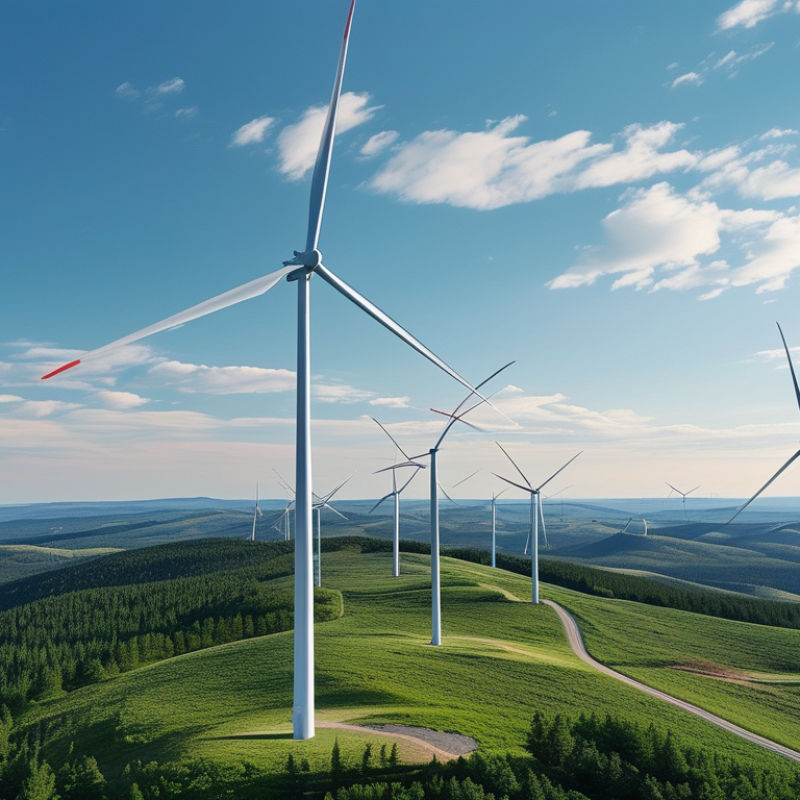
A domestic wind turbine is a small-scale device designed to harness wind energy for residential use. These turbines convert kinetic energy from the wind into electrical energy, which can power homes or be fed back into the grid. Typically, they stand between 20 and 50 feet tall and can generate enough power for an average household’s electricity needs.
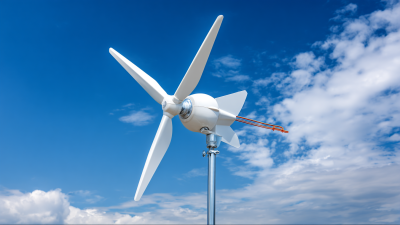
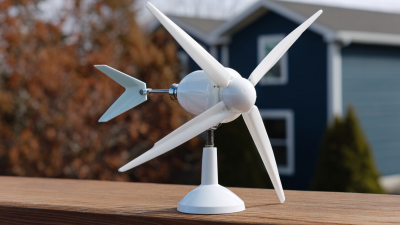
The primary components of a domestic wind turbine include rotor blades, a shaft, and a generator. When wind blows, it spins the blades, which are usually made from lightweight materials for efficiency. This action turns the shaft connected to a generator, producing electricity. However, the performance of these turbines can be inconsistent, as wind availability varies. In areas with limited wind, the output may not meet household demands.
Installing a domestic wind turbine requires careful consideration of local zoning laws and environmental factors. While some homeowners enjoy lower energy bills, others might face challenges in maintenance and installation costs. Wind energy can be beneficial, but it is essential to assess your specific situation. Not every location is suitable for wind energy, and turbine efficiency can fluctuate significantly.
What is a Domestic Wind Turbine and How Does It Work?
| Dimension |
Details |
| Type |
Horizontal Axis Wind Turbine (HAWT) |
| Typical Height |
25 to 50 feet |
| Power Output |
From 400 Watts to 10 kW |
| Installation Space |
Requires around 1/4 acre |
| Average Lifespan |
20 to 25 years |
| Maintenance Frequency |
Every 6 to 12 months |
| Environmental Benefits |
Reduces carbon footprint and reliance on fossil fuels |
The Components of a Domestic Wind Turbine
A domestic wind turbine is a practical solution for generating renewable energy at home. It typically consists of several key components. The main parts include the rotor, which captures wind energy, and the generator, which converts that energy into electricity. The tower elevates the turbine to capture stronger winds and improve efficiency. These components work together to harness wind energy effectively.
The rotor blades are crucial for energy capture. They come in various designs, often made of lightweight materials. Many turbines feature three blades for optimal performance. The size of the rotor can significantly impact energy generation. Smaller turbines with a rotor diameter of about 2-3 meters can generate around 1 kW, while larger models can produce up to 10 kW or more.
In addition to mechanical components, control systems are essential for ensuring safety and efficiency. These systems adjust the turbine's position to face the wind and manage energy output. According to a report from the Department of Energy, installations of small wind systems tripled between 2018 and 2021, highlighting growing interest. However, challenges remain, such as zoning regulations and initial installation costs. Understanding these elements can help homeowners make informed decisions about adopting wind energy.
How Domestic Wind Turbines Generate Electricity
Domestic wind turbines are becoming increasingly popular for generating clean electricity at home. These compact systems convert wind energy into electrical power. In suitable locations, they can provide a significant portion of a household's energy needs. According to the Department of Energy, a small wind turbine can supply up to 40% of an average home's electricity consumption.
The operation is straightforward. Wind flows over the blades, causing them to rotate. This movement spins a generator, producing electricity. Many residential turbines operate in wind speeds as low as 4.5 meters per second. Recent reports suggest that homeowners can save between $400 to $1,500 annually on energy bills by harnessing wind power effectively.
However, installing domestic wind turbines is not without challenges. Understanding local wind patterns is crucial to maximize energy production. Some installations may also require permits, impacting overall costs. Quality of the installation can affect efficiency, with poorly placed turbines performing far below expectations. Wind energy is a promising solution, but the approach must be thoughtful for optimal outcomes.
Factors Affecting the Efficiency of Domestic Wind Turbines
Domestic wind turbines can be an effective source of renewable energy. However, their efficiency can be influenced by several factors. One major element is wind speed. Higher wind speeds increase energy production. Conversely, too little wind can lead to insufficient power generation.
Another important factor is the turbine’s location. Placing turbines near open areas can help capture stronger winds. Proximity to tall buildings or trees can create turbulence, reducing efficiency. Additionally, the height of the turbine matters. Taller turbines access more consistent winds, often leading to enhanced performance.
The design and material of the turbine also play critical roles. Blades must be aerodynamically efficient to harness wind energy effectively. Using light and durable materials can improve longevity and performance. Maintenance is crucial too; regular checks can prevent declines in efficiency. Understanding these factors is vital for optimizing a domestic wind turbine’s effectiveness.
Benefits and Challenges of Using Domestic Wind Turbines
Domestic wind turbines offer numerous benefits. They can reduce electricity bills significantly. Many homeowners turn to them for renewable energy. Turbines harness wind to generate power. This process reduces reliance on fossil fuels. It also lowers carbon footprint. Environmental concerns drive this shift towards greener options.
However, challenges exist. Initial installation costs can be high. Not every home is suitable for a turbine. Wind patterns vary greatly by location. Some areas experience inconsistent or low winds. Maintenance can be tricky and sometimes costly. Residents may face zoning restrictions too. These factors require careful consideration before investing in domestic wind turbines.
Wind energy remains an appealing option. Yet, it demands thorough planning and understanding. Homeowners must weigh the benefits against potential challenges. Each situation is unique and requires reflection. Choosing to go green is commendable but complex.