Top Benefits of Home Wind Turbine Systems for Sustainable Energy Solutions
As the world increasingly pivots towards sustainable energy solutions, more homeowners are looking for efficient ways to harness renewable resources. One promising technology making waves in this sector is the Home Wind Turbine System. According to Dr. Emily Carter, a leading expert in renewable energy technologies, “Investing in a Home Wind Turbine System not only reduces energy costs but also contributes to a cleaner, more sustainable planet.”
With the dual focus on environmental conservation and energy independence, residential wind energy systems offer a practical solution for homeowners keen on minimizing their carbon footprint. These systems capitalize on the natural wind flow in local environments, transforming it into electricity with minimal impact and maintenance requirements. By integrating a Home Wind Turbine System, individuals can take an proactive step toward harnessing the power of the wind, enabling them to contribute positively to their communities while enjoying the benefits of energy savings.
As traditional sources of energy continue to pose challenges related to cost and environmental impact, the Home Wind Turbine System stands out as one of the most viable solutions for sustainable home energy production. Embracing this technology is not just an investment in energy efficiency; it's a commitment to a more sustainable future.

Benefits of Home Wind Turbines for Sustainable Energy Solutions
Home wind turbines offer a sustainable energy solution that is becoming increasingly popular among eco-conscious homeowners. These systems harness the power of wind to generate electricity, reducing reliance on conventional energy sources and lowering utility bills. According to the U.S. Department of Energy, residential wind turbines can produce up to 400 kilowatt-hours of energy per month, which can significantly offset a household's energy consumption. This not only contributes to personal savings but also aids in decreasing the overall carbon footprint, making it a win-win situation for both homeowners and the environment.
One of the key benefits of installing a home wind turbine is energy independence. With the right system in place, homeowners can generate their own electricity, which can be particularly advantageous in remote areas where access to traditional power grids is limited. Furthermore, the Global Wind Energy Council reports that residential wind systems can potentially pay for themselves within 5 to 10 years, depending on wind resources and installation costs. This makes wind energy not only environmentally friendly but also economically beneficial in the long run.
**Tips:** When considering a home wind turbine, it’s essential to evaluate your local wind resource. Use online tools or consult with experts to understand the average wind speed in your area, as efficient operation typically requires wind speeds of 9 mph or higher. Additionally, ensure that your property is zoned for wind energy installations and check any local regulations that may apply. Proper site assessment and planning are crucial to maximizing the benefits of your wind energy system.
How Home Wind Turbines Contribute to Energy Independence
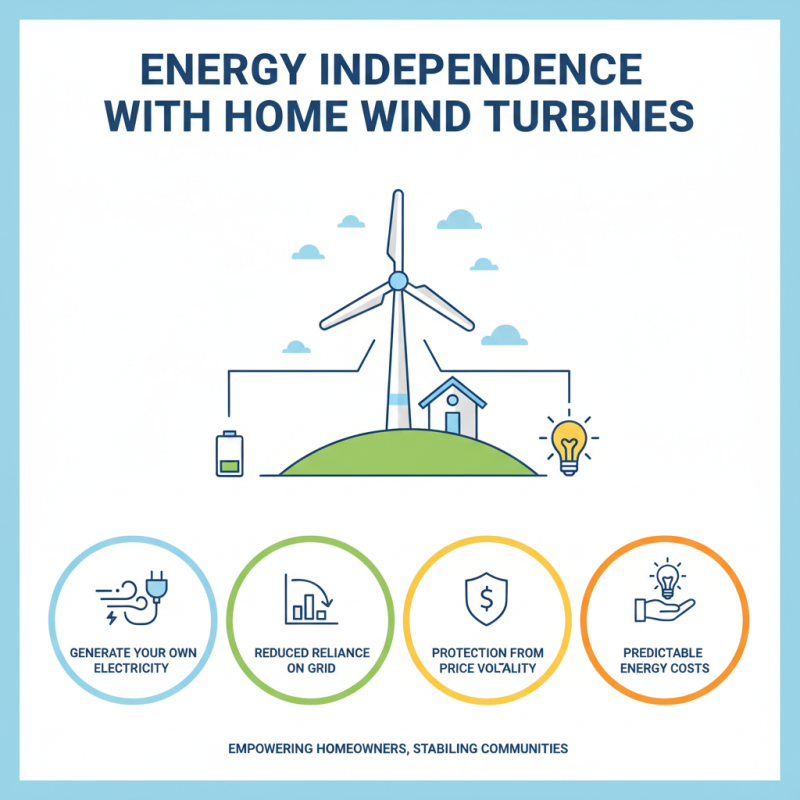
Home wind turbines play a crucial role in enhancing energy independence for homeowners and communities. By harnessing the power of wind, these systems enable individuals to generate their own electricity, reducing reliance on conventional energy sources that are often subject to price fluctuations and supply disruptions. This self-sufficiency not only protects consumers from volatile energy markets but also empowers them to take control of their energy consumption, leading to more predictable energy costs.
Moreover, the installation of home wind turbine systems contributes to a broader shift towards sustainable energy solutions. As households produce their own renewable energy, they contribute to a decrease in the overall demand for fossil fuels, which is essential for curbing greenhouse gas emissions and addressing climate change. This transition is vital for fostering a sustainable future and leads to a more resilient energy infrastructure. By investing in home wind turbines, individuals actively support a cleaner environment while enhancing their energy independence, creating a win-win scenario for both themselves and the planet.
Environmental Advantages of Using Home Wind Energy Systems
The environmental advantages of home wind energy systems are compelling as societies move towards more sustainable energy solutions. One of the most significant benefits is the substantial reduction in greenhouse gas emissions. A report by the U.S. Department of Energy indicates that wind power can reduce carbon dioxide emissions by an average of 2.2 million metric tons per year for each 1,000 megawatts of wind capacity installed. By deploying home wind turbines, households can contribute to this reduction, thus playing a proactive role in combating climate change.
Moreover, home wind turbines produce clean energy without the harmful pollutants typically associated with fossil fuels. According to the National Renewable Energy Laboratory, wind energy contributes to air quality improvement by displacing harmful emissions from coal and natural gas power plants. Homeowners who utilize wind turbines not only benefit from lowering their electricity bills but also help reduce air toxins that can cause respiratory problems in their communities. This dual impact allows individuals to embrace a greener lifestyle while promoting public health through the use of renewable resources.
In addition, locating wind energy systems at home can lead to less ecological disruption compared to large-scale wind farms. Turbines are designed to operate with minimal land impact and can coexist with agricultural practices, enhancing land use efficiency. Studies from the Global Wind Energy Council highlight that responsibly-developed wind energy installations have a significantly lower impact on local ecosystems when compared to traditional energy sources. By choosing home wind energy systems, individuals can advance sustainable practices that prioritize environmental stewardship and ecological balance.
Economic Considerations for Investing in Home Wind Turbines
Investing in home wind turbine systems presents a unique opportunity for homeowners looking to enhance their energy independence while also considering the economic implications. A well-implemented wind turbine can significantly reduce electricity bills by harnessing renewable energy from the wind. This reduction in operational costs can translate into substantial savings over time, especially as electricity prices continue to rise. Additionally, many regions offer incentives, rebates, or tax credits for installing renewable energy systems, further offsetting the initial investment and improving the return on investment.
Another crucial economic consideration is the long-term value of property. Homes equipped with renewable energy sources, such as wind turbines, may attract more buyers in the real estate market, as sustainability becomes an increasingly desirable feature. Furthermore, with the growing emphasis on green technology, homeowners may see a rise in property value due to the eco-friendly investments made. However, potential investors should also weigh the upfront costs, maintenance expenses, and average wind speeds in their area to ensure that the installation of a home wind turbine is a financially sound choice. Overall, embracing home wind turbine systems can lead to significant economic benefits while contributing positively to environmental sustainability.
Factors to Consider When Installing a Home Wind Energy System
When considering the installation of a home wind energy system, several key factors must be taken into account to ensure optimal efficiency and return on investment. Firstly, the local wind resource is crucial. According to the U.S. Department of Energy, areas with an average wind speed of at least 12 miles per hour are typically suitable for wind energy installations. Therefore, homeowners should conduct a thorough assessment of wind patterns in their area, possibly using an anemometer to gauge local wind conditions over time.
Additionally, the size and placement of the turbine play a significant role in its performance. The Turbine's height should be sufficient to capture wind with minimal obstructions from trees or nearby buildings. According to research from the National Renewable Energy Laboratory, increasing the height of a turbine can significantly enhance energy production—up to 40% more output at heights of 100 feet compared to 30 feet.
**Tips**: When planning for a wind turbine installation, consult local zoning regulations and building codes to ensure compliance. Furthermore, consider engaging with a professional installer who can assist in optimizing the configuration and ensuring that the system meets energy needs sustainably while adhering to safety standards.
Top Benefits of Home Wind Turbine Systems for Sustainable Energy Solutions
| Benefit |
Description |
Considerations |
| Cost Savings |
Generate your own electricity to reduce energy bills. |
Initial investment is required; savings depend on energy prices. |
| Renewable Energy Source |
Wind energy is abundant and sustainable. |
Depends on local wind patterns; may not be consistent. |
| Low Environmental Impact |
Reduces reliance on fossil fuels and greenhouse gas emissions. |
Proper siting is crucial to minimize wildlife impact. |
| Energy Independence |
Less reliance on the grid and energy prices. |
Storage systems may be needed for night use or low wind days. |
| Increased Property Value |
Home with renewable energy systems often have higher resale value. |
Market dynamics may vary; some buyers may prefer traditional systems. |
| Job Creation |
Contributing to local job markets through installation and maintenance. |
Availability of local technical expertise varies. |