Mini Wind Turbine Tips for Efficient Energy Generation?
Mini Wind Turbines are becoming popular for energy generation. They offer a sustainable solution for power needs. These small devices harness wind energy efficiently. Homeowners and businesses alike are exploring these options. However, achieving maximum efficiency requires careful planning.
Installing a Mini Wind Turbine is not simply about setting it up. The location is crucial. A well-situated turbine can capture more wind. Neglecting this can lead to poor performance. It's easy to overlook local wind patterns. Many might assume that all sites are suitable. But that’s not true.
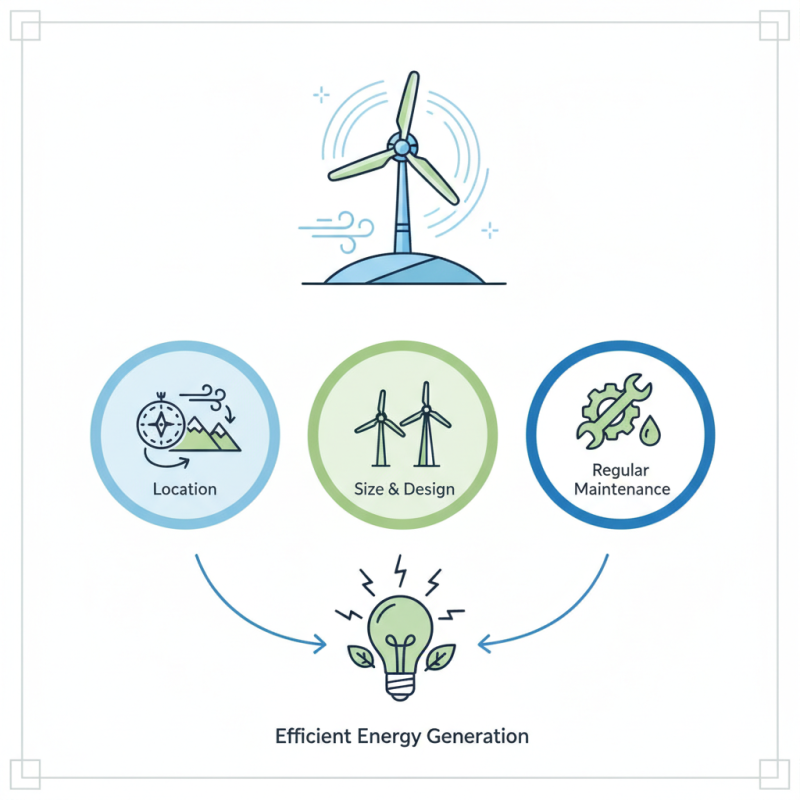
Users must also consider the size and design of their turbine. A mismatch can hinder energy output. Regular maintenance is necessary, too. This often gets ignored in excitement over new installations. These factors play vital roles in overall efficiency. Small mistakes can lead to lower energy generation than expected. Understanding these details can lead to better outcomes.
Understanding Mini Wind Turbine Basics for Energy Generation
Mini wind turbines are an excellent option for generating renewable energy. These compact devices harness wind power on a smaller scale. Understanding their basics can help optimize energy generation and provide cleaner alternatives for homes or small businesses.
Choosing the right location is crucial. Wind speed affects energy output significantly. Try to place the turbine in an open area, away from tall buildings or trees. A height elevation can also enhance wind access. However, monitoring local regulations is essential, as zoning laws can impact installation options.
Maintenance should not be overlooked. Regular checks on the blades and battery system are vital. Dust and debris can hinder performance. Sometimes, the output may fall short due to unexpected weather changes. Not every site offers consistent wind, so be ready to adapt your energy expectations.
Mini Wind Turbine Energy Generation Efficiency
This chart illustrates the energy output of mini wind turbines at various wind speeds. As wind speed increases from 5 m/s to 25 m/s, energy output significantly increases, demonstrating the relationship between wind speed and energy generation efficiency.
Key Factors Influencing Mini Wind Turbine Efficiency
When considering mini wind turbine efficiency, several key factors come into play. The turbine design should be suited to local wind conditions. A compact design can work well in areas with consistent wind. However, in regions with fluctuating winds, a larger blade may capture more energy. It’s essential to assess your local wind patterns before choosing a turbine.
One tip for improving efficiency is optimizing the height of the turbine. A higher installation can expose the turbine to stronger winds. Keep in mind that nearby obstacles, like buildings or trees, can create turbulence. This can reduce efficiency. Placing the turbine in an open area can yield better results.
Another crucial factor is maintenance. Regular checks can prevent performance drops. Ensure blades are clean and free from debris. Tightening all screws and bolts is necessary to avoid damage during storms. Neglecting maintenance leads to decreased energy generation over time. Wind turbines may not be perfect, but with attention to these factors, they can still provide significant benefits.
Best Locations for Installing Mini Wind Turbines
Choosing the right location for installing mini wind turbines is crucial for maximizing energy generation. Ideal sites typically have steady winds and minimal obstructions. Areas with open fields or elevated terrains often provide better wind flow. Trees, buildings, and other structures can block wind and reduce efficiency. It's important to study local wind patterns before making a decision.
Rooftops can serve as a viable option for urban dwellers. However, not all rooftops are suitable. The turbine must be above the roofline to avoid turbulence from nearby obstacles. Wind speed increases with height, so this consideration is key. Additionally, the weight and balance of the turbine must be assessed. This could pose structural challenges, demanding careful planning.
In rural areas, open spaces are more advantageous. Placing turbines near agricultural land can yield better results. Yet, one should consider noise and aesthetic impacts. Proximity to neighbors may lead to complaints about sound. Analyzing community acceptance is crucial before installation. The choice of location will affect not only energy output but also community relations.
Maintenance Tips for Optimal Mini Wind Turbine Performance
Maintaining a mini wind turbine is crucial for achieving optimal performance. Regular checks can prevent minor issues from escalating. Inspect the blades for wear and tear. Even small cracks can affect efficiency. Cleaning the blades regularly can also enhance energy capture. Dust and debris can block airflow, reducing energy output.
Another important aspect is monitoring the electrical connections. Ensure they are secure and free from corrosion. Loose connections can lead to energy loss and safety hazards. It's also wise to check the battery storage system. Old or faulty batteries may not hold charge efficiently. Replacing them periodically can ensure sustained energy generation.
Don’t overlook the turbine's placement. Ensure it remains free from obstructions. Nearby trees or buildings can disrupt wind flow, impacting overall performance. If performance dips unexpectedly, consider conducting a detailed inspection. Identifying and addressing these factors promptly can improve energy generation. Observing these tips can enhance the lifespan and efficiency of your mini wind turbine.