What is the Sand Molding Process and How Does It Work?
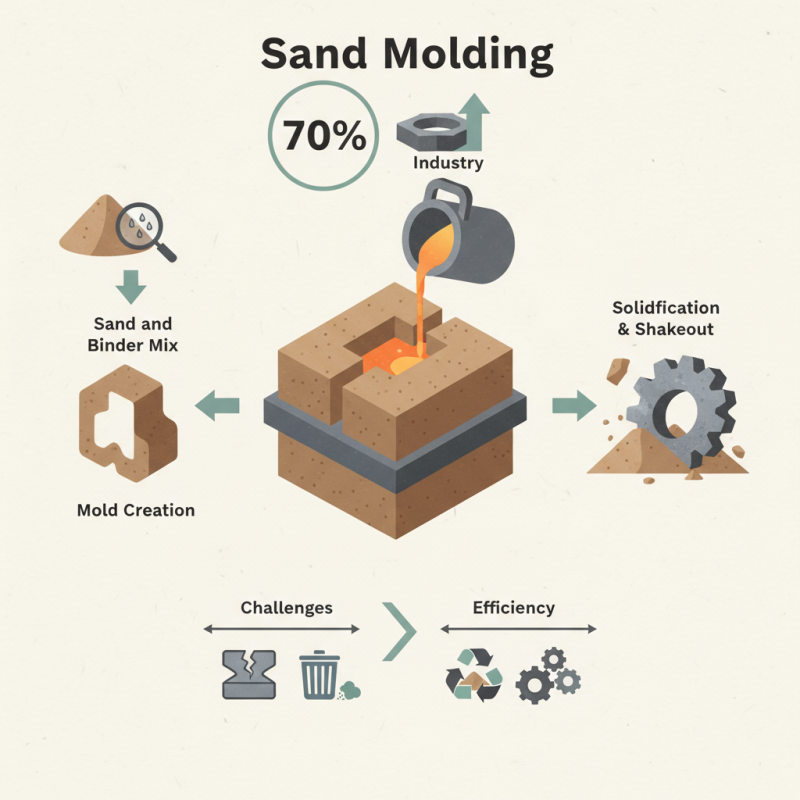
The sand molding process is a crucial method in metal casting. This technique has been used for centuries and continues to dominate the industry. According to recent industry reports, around 70% of metallic castings are produced using this method, highlighting its importance.
The sand molding process involves creating a mold from sand and a binder. This mold forms the desired shape of the product. The sand's properties, such as grain size and moisture content, significantly influence the final casting quality. In fact, studies show that a small variation in sand composition can lead to significant defects.
While the process is efficient, it is not without challenges. Contamination and inconsistencies in the sand can result in flawed castings. Many foundries are working to improve sand recycling and reduce waste. However, achieving this balance between efficiency and quality remains an ongoing struggle in the industry.
What is Sand Molding in Metal Casting?
Sand molding is a traditional method used in metal casting. This technique involves creating a mold from sand. The sand is usually mixed with clay and water, which helps it hold shape. Once the mold is formed, it can withstand high temperatures. This makes it ideal for molten metal to be poured in.
During the sand molding process, two halves of a mold are made. These halves are then carefully aligned. Sometimes, this alignment can be tricky. If done incorrectly, the final product might have flaws. After pouring the molten metal, the mold is broken apart. This reveals the cast object, which often requires cleaning and finishing.
One must be aware of the limitations of sand molding. The surface finish may not be perfect. There can be imperfections on the cast object. Additionally, the sand can break down over time and can’t always be reused effectively. Each of these factors requires careful planning and consideration during the metal casting process.
The Components and Materials Used in Sand Molding
The sand molding process relies on a few key components. Sand is the primary material. It is often mixed with clay for strength. This mixture creates molds that can withstand high temperatures. The right grain size of the sand is crucial. Coarse grains provide strength but can affect the finish.
Additives are sometimes used to enhance the properties of the sand. These can include water, which helps bind the sand together. Synthetic resins might be added for quick setting. Each component plays a role in the final product's quality. In some cases, mistakes happen. For instance, improper mixing can alter mold strength.
Patterns are also essential in sand molding. They are often made of metal or plastic. These patterns create the shape needed in the molded part. An accurate pattern is crucial for overall quality. While the process seems straightforward, achieving the perfect mold requires practice and precision. Mistakes in pattern design can lead to flawed parts.
Step-by-Step Process of Sand Molding Formation
The sand molding process is a technique widely used in metal casting. It involves creating molds from sand patterns. This process is crucial for manufacturing various metal components, particularly in industries like automotive and aerospace. According to recent industry reports, the global sand casting market is projected to reach $8.7 billion by 2025, highlighting its significance.
The step-by-step process begins with pattern making. Patterns are typically made from durable materials, allowing for repeated use. Next, the sand mixture is prepared, which usually contains silica sand, clay, and moisture. This mixture is then packed around the pattern to form a mold. It’s fascinating how meticulous this step is; any inconsistency can lead to defects in the final product. Interestingly, estimates suggest that about 10-15% of molds fail during casting due to minor errors.
Once the molds are completed, they are removed from the patterns and assembled. This stage requires attention to detail to ensure all parts fit correctly. The pouring of molten metal follows, which must be done carefully. In fact, studies indicate that improper pouring techniques can result in up to 20% material waste. These insights show the precision required in the sand molding process and the need for continuous improvement in techniques.
Types of Sand Molding Techniques in Metal Casting
When exploring sand molding techniques in metal casting, several methods stand out. Each method has its unique properties and applications. One common technique is green sand casting. This method uses moist sand, which provides good detail and strength. It's suitable for a wide range of metals.
Another approach is resin sand casting. This technique uses a resin binder mixed with sand. The resulting molds are strong and durable. Resin sand molds offer excellent surface finish and dimensional accuracy. However, they can be more expensive and require careful handling.
A less common but still valuable technique is lost foam casting. This method involves creating a foam pattern that is coated with sand. The foam evaporates when metal is poured, forming the final part. This provides complex shapes without needing additional cores.
Tips: When choosing a sand molding technique, consider your project's specifics. Make sure to evaluate the production volume and material costs. Each technique has its trade-offs, so reflect on your needs. Proper preparation can enhance casting results significantly.
Applications and Advantages of Sand Molding Process
The sand molding process is a key technique in metal casting, extensively used for creating complex shapes. Its applications span various industries, including automotive, aerospace, and heavy machinery. According to industry reports, approximately 70% of all metal castings utilize sand molds, highlighting its significance.
One major advantage of sand molding is flexibility. It allows the production of large and intricate parts. The technique accommodates diverse metal alloys, making it versatile. Furthermore, the sand molds can be reused, enhancing cost-effectiveness. Reports indicate that this recycling potential can reduce material costs by up to 40%. However, this process does have drawbacks. Molding patterns can be difficult to maintain, and the casting resolution may not always meet high precision standards.
Another notable benefit is the scalability of sand molding. It is suitable for both low and high production volumes. This flexibility supports businesses in meeting varying demands. Still, the process requires skilled labor, which can sometimes result in increased production times. Regular training and updates are essential for maintaining quality. These factors contribute to a more dynamic working environment, prompting continuous improvement and innovation in the sand molding industry.