7 Tips for Choosing Evbox Charging Stations
Choosing a charging station is not just a matter of picking the highest power rating. The right fit depends on who will use it, where it will be installed, and how much charging time is available. The International Energy Agency’s Global EV Outlook 2024 reports that electric car sales reached nearly 14 million in 2023, representing about 18% of global car sales. As adoption grows, charging choices deserve closer attention. Small details matter.
These seven tips for choosing Evbox Charging Stations will help readers compare charging speed, connector compatibility, installation needs, smart features, reliability, support, and total ownership costs. A station for a home garage has different demands from one serving a busy workplace or public parking area. Check the exact model specifications and local installation requirements before deciding; product ranges and capabilities can vary by market. That sounds obvious. It is often missed.
Look beyond the purchase price. Consider the electrical capacity at the site, expected daily use, access controls, software needs, and who will handle maintenance. For a shared site, even a short interruption can frustrate drivers. For home use, a simpler setup may be enough. There is no universal best choice. These tips offer a practical framework, not a substitute for qualified electrical advice or current manufacturer documentation. Some comparisons may still feel imperfect, because site conditions and charging habits differ. A careful shortlist is a good start.
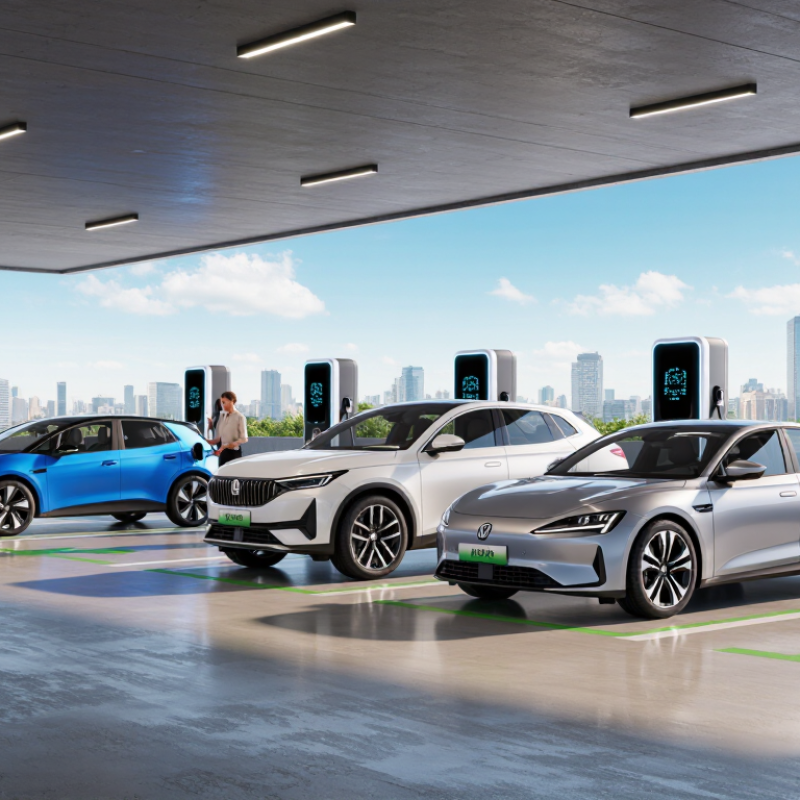
Understand Your Charging Needs and Vehicle Requirements
Tip: Begin with your routine, not the charger’s maximum output. Record your daily distance, parking hours, and where the vehicle sits overnight. A 60-kWh battery driven 40 miles each day may need only modest overnight charging. A vehicle used for long daily routes needs a different plan. Small details matter.
The International Energy Agency’s Global EV Outlook 2024 reported more than four million public charging points worldwide at the end of 2023, about 40% more than a year earlier. That growth makes access easier, but public charging should not replace a realistic home or workplace plan.
Tip: Check your vehicle’s connector and maximum AC charging rate. A powerful station cannot make a vehicle accept energy faster than its onboard charger allows. Also compare battery capacity, charging location, and expected dwell time.
Tip: Match charging speed to your schedule, then check the electrical supply and installation costs with a qualified installer. Leave room for future needs if another electric vehicle may join the household. Yet avoid paying for capacity you will rarely use. A tidy spreadsheet can still miss a daily routine change; review your assumptions before choosing equipment.
Compare EVBox Charger Types, Speeds, and Features
Choosing a charging station starts with the vehicle and the place where it will be used. AC chargers, often installed at homes or workplaces, suit cars parked for several hours. DC fast chargers deliver power more quickly, but they usually need stronger electrical infrastructure and cost more to install. A faster unit will not make every car charge faster; the vehicle’s own charging limit matters.
Compare real-world output, not just the highest number on a product sheet. Ask an installer to check the site’s available capacity, expected daily use, and likely peak demand. A shared parking area may benefit from load management, which distributes power among vehicles. That can mean a slower session when several cars plug in. It is a trade-off, not a defect. Check the connector. Confirm that it matches the vehicles your drivers use.
Features affect daily convenience. Look for clear status lights, dependable network access, and reporting that helps track energy use. Consider access controls if the chargers serve employees or customers, and check whether the cable reaches a typical parking spot without stretching. Outdoor units need suitable protection from rain, dust, and temperature changes. Small details matter. I would also ask about software and service support before buying; a feature that looks useful in a brochure may be awkward to manage in a busy lot.
Check Site Compatibility, Power Supply, and Installation Needs
Before choosing a charging station, inspect the actual parking space, not just the site plan. Measure the distance from the proposed unit to the vehicle’s charging port. A cable that looks long enough on paper may not reach comfortably when a car parks nose-in. Check for walls, bollards, doors, and pedestrian paths. Keep cables clear of walkways. Also note whether the location is exposed to rain, direct sun, dust, or freezing temperatures, and select equipment rated for those conditions.
Next, confirm the available electrical supply with a qualified electrician. The panel’s capacity, voltage, phase, and existing loads can affect the station’s usable power. A higher-rated unit will not charge faster if the vehicle or supply cannot support that level. Ask whether the installation needs a dedicated circuit, a panel upgrade, load management, longer conduit, or ground work. These details can change cost and schedule. Small details matter. Check where the cable can enter the building and whether the route crosses finished walls or paved areas. A site visit is more useful than guessing from photos, though even a careful visit can miss hidden wiring. Have the installer verify the final route, mounting surface, and clearances before ordering equipment.
Evaluate Smart Controls, Connectivity, and Energy Management
When comparing EV charging stations, look beyond connector type and rated power. The control interface should show charging status, session history, and adjustable current limits without hiding them in menus. During a busy evening, a clear status display can help staff spot a stalled session before another vehicle queues. Small details matter. Check whether access can be managed through cards, app credentials, or simple local controls.
Connectivity is useful only when it supports reliable operation. Review network options, data visibility, and what happens if the connection drops. Ask whether a session can continue safely offline and whether settings remain available on site. Test it. A polished dashboard can still leave gaps, so inspect sample reports for energy use, peak demand, and individual charging sessions.
Energy management deserves particular attention at sites with limited electrical capacity. Look for dynamic load balancing that shares available power across active chargers instead of exceeding a configured site limit. Scheduling can shift charging toward quieter hours, but only if arrival patterns and tariffs make that practical. Compare the settings with your actual service capacity, and ask how updates are handled. I would not assume every feature works smoothly with every network; a brief pilot can reveal awkward alerts, delayed data, or controls that are harder to use than expected.
Compare Total Costs, Warranty, and Ongoing Support
When comparing charging stations, price the whole installation, not just the hardware. The U.S. Department of Energy’s Alternative Fuels Data Center lists Level 2 equipment at roughly $400–$6,500 per port, before installation. Electrical upgrades, trenching, permits, and network fees can change the final bill. A parking lot with an older panel may need costly work before a single charger is mounted. Ask for an itemized quote, including annual software charges and replacement parts.
The cheapest bid can become the expensive one.
Read the warranty beside the service terms. Check its duration, whether labor and shipping are covered, and how quickly a technician is expected to respond. The 2024 J.D. Power U.S. Electric Vehicle Experience Public Charging Study found that nearly one in five public charging attempts failed. That makes remote diagnostics and accessible support practical requirements, not extras.
Ask who answers at 7 a.m. on a cold weekday, and whether replacement equipment is stocked nearby. Still, response-time promises can be vague. I would request them in writing, then compare them with local service coverage.
A clear support plan matters.