What Are the Top Types of Four Wheel Vehicles?
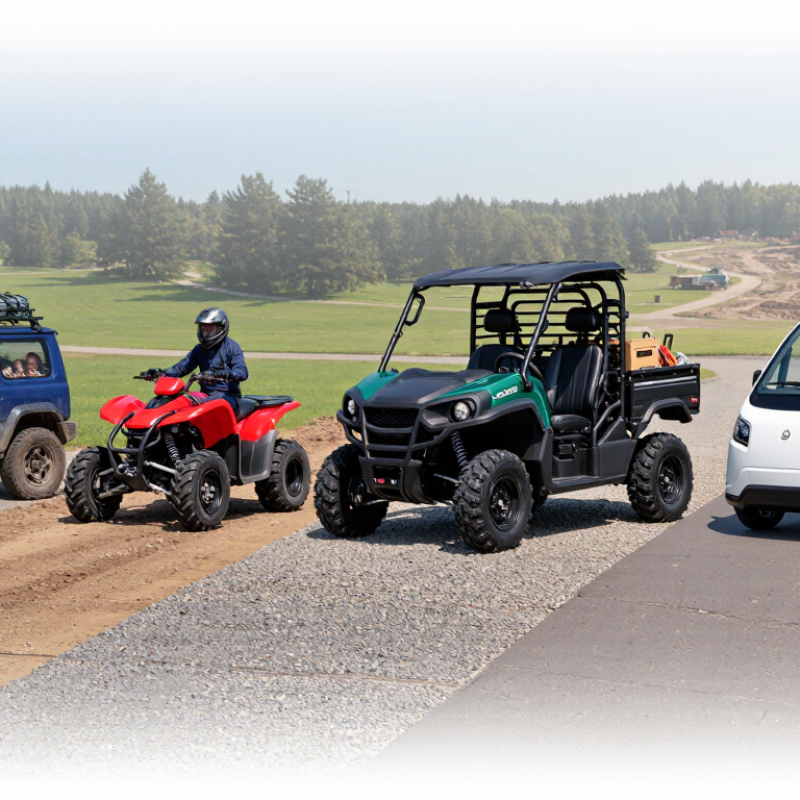
Choosing the right Four-Wheel Vehicle begins with understanding how each design handles real-world demands. A compact 4x4 SUV may carry a family, luggage, and emergency supplies through rain-covered roads. An all-terrain vehicle, or ATV, is smaller and more responsive on narrow trails. Utility task vehicles, commonly called UTVs, offer seats, cargo beds, and stronger working capacity for farms, parks, and construction sites. Electric carts provide quiet transport across campuses, resorts, and private communities.
These vehicles may look similar, but their engineering priorities differ. SUVs often emphasize crash protection, comfort, and road stability. ATVs focus on balance, ground clearance, and rider control. UTVs usually provide greater payload capacity and protective frames, although their handling can change sharply when heavily loaded. Electric carts favor low-speed efficiency, simple controls, and short-distance travel. Small details matter. Tire tread, suspension travel, braking systems, lighting, and weather protection can change the ownership experience.
The categories are not perfectly fixed. Some modern models overlap. That can be confusing. A recreational UTV may feel closer to an off-road car, while a rugged SUV may perform confidently on rough trails. Reliable comparisons should consider manufacturer specifications, tested safety equipment, maintenance access, and the vehicle’s intended environment. Personal experience helps, but it should not replace verified information. A vehicle that feels powerful on dry ground may become difficult in mud, steep terrain, or icy conditions. This guide examines the leading types, their practical strengths, and their limitations, helping readers make a careful choice based on use rather than appearance.
Main Categories of Four-Wheel Vehicles
What Are the Top Types of Four Wheel Vehicles?
Main Categories of Four-Wheel Vehicles
Four-wheel vehicles serve different needs, from daily travel to demanding outdoor work. Passenger cars focus on comfort, efficiency, and predictable handling on paved roads. Their lower ride height can improve stability, but it may limit performance on rough surfaces. Hatchbacks, sedans, and coupes fit this category.
Sport utility vehicles and crossovers offer more cabin space and ground clearance. Many include flexible rear seats, roof rails, and stronger suspension components. A crossover usually shares features with passenger cars, while a traditional utility vehicle may handle heavier terrain. However, appearance can exaggerate capability. Check the actual clearance, tires, and drive system.
Pickup trucks combine passenger seating with an open cargo bed. They suit people carrying tools, building materials, or recreational equipment. Payload ratings matter more than visual size. Exceeding those limits can reduce braking control and tire performance. Four-wheel drive may help on loose ground, but it does not replace careful driving.
Vans and multi-purpose vehicles prioritize interior volume. They often provide sliding doors and several seating rows. This design works well for families, group transport, or mobile workspaces. Smaller all-terrain vehicles form another category, including compact utility models built for narrow trails and agricultural tasks. They need protective equipment and responsible operation.
Categories overlap. That is the difficult part. A careful buyer should compare seating, cargo needs, terrain, fuel use, maintenance access, and verified safety information before choosing.
Passenger Cars for Everyday Transportation
Passenger cars remain one of the most practical four-wheel vehicles for everyday transportation. They carry people comfortably through city streets, suburban roads, and occasional highways. A compact car can fit into narrow parking spaces and usually consumes less fuel. A sedan often provides a quieter cabin and a larger trunk. A hatchback offers flexible storage for groceries, luggage, or sports equipment.
My driving experience has taught me that comfort depends on more than seating space. Clear visibility, easy controls, reliable brakes, and supportive seats matter during long commutes. Safety features such as stability control, airbags, and driver-assistance systems can reduce common driving risks. Still, technology cannot replace attention. I once valued acceleration too highly and underestimated daily parking convenience. That was a poor choice.
Tips: Measure your parking space before choosing a vehicle. Test the rear visibility and seat position. Check maintenance records when buying used. Inspect tire condition, brake response, and warning lights carefully. A short test drive may reveal awkward pedals or uncomfortable suspension. Consider your usual passengers, road conditions, and storage needs. Smaller cars are not always better. Very small rear seats can become frustrating for families. Ask a qualified mechanic to inspect unfamiliar mechanical problems. Keep emergency supplies in the trunk, including water, a flashlight, and a basic first-aid kit.
Top Types of Four-Wheel Vehicles for Everyday Transportation
Average combined fuel economy by common vehicle type, based on approximate U.S. model-year 2022 values reported in the Environmental Protection Agency’s Fuel Economy Trends report.
Sedans and hatchbacks generally provide the best fuel efficiency for daily commuting, while SUVs, minivans, and pickup trucks offer more passenger or cargo space with higher fuel consumption.
Sport Utility Vehicles for Versatility and Off-Road Use
Sport utility vehicles combine passenger space, four-wheel traction, and useful ground clearance. They suit changing daily demands, from school runs to gravel roads and muddy campsites. A tall driving position improves visibility, although it can hide low obstacles near the front bumper. Flexible rear seats can carry bicycles, tool cases, or several grocery bags. In practical driving, electronic traction control helps on loose surfaces, while low-range gearing is valuable on steep, rocky trails. However, four-wheel drive does not replace careful speed control or suitable tires. I still misjudge narrow trails sometimes, especially when branches cover the edges.
Tips
Check the vehicle’s ground clearance, approach angle, and water-wading guidance before leaving paved roads. Pack a tire-pressure gauge, recovery strap, flashlight, and basic first-aid supplies. Reduce tire pressure only within the manufacturer’s safe limits, then restore it before highway driving. Walk through deep water when conditions allow. Mud can hide sharp stones and deep ruts.
For family use, inspect door openings, cargo height, and rear-seat comfort rather than relying only on specifications. A firm suspension may feel confident off-road but tiring on long trips. Fuel use can also rise with heavy loads, roof equipment, and constant four-wheel operation. On a recent dirt-road drive, I valued washable floor materials more than a large touchscreen. That choice was not glamorous, but it kept the cabin easier to maintain.
Pickup Trucks for Hauling and Work Applications
Pickup trucks remain one of the most practical four-wheel vehicles for hauling and work applications. Their open beds handle timber, tool cases, feed bags, and muddy equipment without filling the cabin. A 2024 U.S. Census Bureau vehicle-use report shows that pickup trucks are widely used across construction, agriculture, repair services, and local delivery work. The right choice depends on payload, towing demand, bed length, and daily road conditions.
Payload matters more than appearance. Check the door-label payload rating before loading a compact excavator, concrete blocks, or several workers. Exceeding that figure can reduce braking control and increase tire stress. The U.S. Environmental Protection Agency’s 2024 Automotive Trends Report recorded average new-vehicle fuel economy at about 27.1 miles per gallon for model year 2022. Work-focused pickups often consume more fuel under load, especially with trailers, steep grades, or frequent idling.
For towing, compare the vehicle’s gross combination weight rating with the trailer’s loaded weight. SAE J2807 provides standardized procedures for evaluating tow performance, including launch capability, cooling, and braking. Still, published ratings are not the whole story. A long bed may improve cargo flexibility but reduce maneuverability in narrow job sites. A larger engine can help on hills, yet it may increase operating costs.
I have seen operators choose maximum capacity and rarely use it. That is useful power, but sometimes wasted weight and money. A quieter cabin and stable suspension can matter just as much during a twelve-hour workday.