How to Choose the Best Rooftop Wind Turbine in 2026?
Choosing a Rooftop Wind Turbine in 2026 starts with the site, not the sales brochure. A turbine’s rated output is measured under defined conditions; it does not predict what your roof will produce. Wind speed, direction, turbulence, nearby trees, and taller buildings can change output sharply. Small details matter. A parapet or rooftop equipment may disrupt airflow, while a gusty roof can increase vibration and reduce useful energy. Before comparing models, collect local wind data and ask a qualified professional to assess the roof structure, mounting points, and likely turbulence. A quick visual check is not enough.
Then compare the complete system: rotor size, cut-in behavior, rated power, controller, inverter compatibility, noise, service access, and warranty terms. Ask for the assumptions behind any annual energy estimate, including wind speed and measurement height. Look for independent test data where available, and confirm who handles installation, inspection, and ongoing maintenance. A low purchase price can hide extra costs. Rooftop wind may suit exposed, consistently windy sites, but it is not automatically better than solar or a hybrid system. Your roof may disappoint. That is worth admitting early. Use this guide to weigh performance against structural limits, comfort, budget, and maintenance—not just headline wattage. The best choice is supported by site-specific evidence and a realistic plan for safe operation.

Understanding Rooftop Wind Turbines and Their Main Components
A rooftop wind turbine converts moving air into electricity, but its output depends heavily on the wind around the building. Roof edges, parapets, chimneys, and neighboring structures can create turbulent, uneven airflow. A turbine that looks productive on paper may generate little in that setting. Small details matter. Before comparing models, review local wind measurements and have the roof’s structure assessed by a qualified professional.
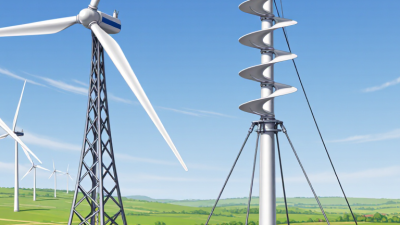
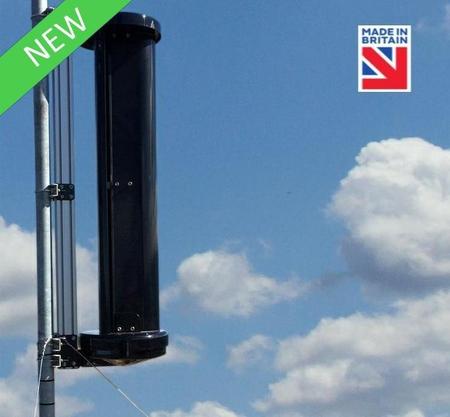
The rotor blades capture wind and turn a hub connected to a generator. A mounting mast holds the unit above the roof; its height and rigidity affect clearance, vibration, and noise. Some designs turn to face the wind, while others use a different rotor arrangement.
An electrical controller manages the turbine’s output, and an inverter may convert that electricity for compatible household use. Braking and monitoring equipment also help manage operation and reveal performance changes.
Not every roof works.
I would treat advertised output as a starting point, not a promise: real production varies with wind speed, turbulence, installation, and maintenance. Check how the complete system handles gusts, vibration, wiring, and access for inspection.
Assessing Wind Conditions and Roof Suitability
A rooftop turbine should be judged by measured wind at the rotor’s proposed height, not by how breezy the street feels. The U.S. Department of Energy’s Small Wind Guidebook gives 4.5 m/s (10 mph) annual average wind speed as a practical screening benchmark for small wind systems. It also recommends placing a turbine about 9 metres above nearby obstacles within 90 metres. These are screening guidelines, not a promise of good rooftop output. Nearby towers, parapets, trees, and taller buildings can create turbulent flow. A short roof-level measurement may miss seasonal changes. One gusty afternoon proves little.
Roof suitability matters just as much. Turbulence can reduce energy production and expose the turbine, mount, and roof to repeated vibration. Check the roof’s structure, mounting points, waterproofing, and access for maintenance with qualified professionals. A flat roof may seem convenient, but its edges and rooftop equipment can disturb airflow. Compare wind measurements at the intended rotor position with a nearby unobstructed reference, and record them across representative seasons. That takes patience. If the roof is tall but surrounded by higher buildings, height alone may not help. DOE guidance is useful for screening, yet site-specific measurements and a structural review should guide the final choice.
Comparing Turbine Types, Power Ratings, and Noise Levels
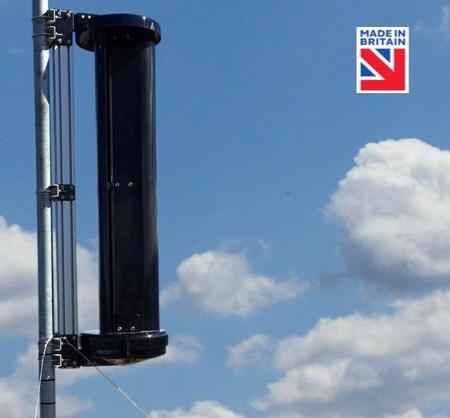
Choosing a rooftop turbine starts with the wind around your roof, not the largest number on a sales sheet. Horizontal-axis models can perform well when they face a steady prevailing wind, but rooftop turbulence may keep them yawing and reduce output. Vertical-axis designs accept wind from changing directions and can suit constrained sites, though their real-world energy yield may be lower. Neither type is automatically quiet.
Compare power ratings carefully. A turbine’s rated output is measured at a specified wind speed, which may be stronger than the average wind at your home. Ask for the power curve, then compare expected output at your site’s typical speeds. A compact unit rated at 1 kW will not deliver that power continuously. Roof height, nearby buildings, and seasonal wind patterns all matter. A small anemometer can reveal more than a quick glance at a weather app.
Noise deserves its own check. Look for sound measurements with a stated distance and test condition; decibels without context tell little. Listen for tonal hum and vibration, not just blade noise. These can travel through rafters into a bedroom. Mounting quality matters. So does roof structure. A neat specification sheet can still mislead, and I would treat any precise annual-output estimate cautiously until local wind data and a structural assessment support it.
Checking Structural Safety, Permits, Costs, and Maintenance
How to Choose the Best Rooftop Wind Turbine in 2026?
A rooftop turbine adds weight, vibration, and wind forces to a building. Ask an independent structural engineer to inspect roof age, framing, fasteners, and load paths. The assessment should include uplift and repeated vibration, not just the turbine’s static weight. A loose flashing edge can become a costly leak. Small details matter.
Before ordering, confirm local planning, building, electrical, and utility-interconnection requirements. Budget for engineering, permits, roof reinforcement, lifting equipment, wiring, and inverter replacement—not only the turbine. The U.S. Department of Energy’s 2023 Distributed Wind Market Report recorded about 29 megawatts of new U.S. distributed-wind capacity in 2022. That figure covers multiple applications, not rooftop systems alone, so it is market context rather than a rooftop cost benchmark.
Ask for a written maintenance plan covering inspections, fasteners, corrosion, electrical connections, and safe access. Salt air, dust, and rooftop heat can change service needs. Compare expected service costs with the site’s measured wind data; a nearby weather station may not reflect turbulent roof-level flow. That can sting. I would also check who pays for access equipment and roof repairs before signing.
How to Choose the Best Rooftop Wind Turbine in 2026
Wind speed is a key first check: in an idealized model, available wind power increases with the cube of wind speed. The chart shows theoretical power relative to 10 m/s—not a forecast of a turbine’s actual electricity output.
Before choosing a turbine, assess site-specific wind conditions and rooftop turbulence, confirm the building can safely handle the turbine and its loads, check local permits and rules, and compare installation, operating, and maintenance costs. Actual output is limited by turbine design and operating conditions.
Matching a Turbine to Your Energy Needs and Budget
How to Choose the Best Rooftop Wind Turbine in 2026?
Matching a Turbine to Your Energy Needs and Budget
Start with your electricity use, not the turbine’s advertised maximum output. Check twelve months of utility bills and identify steady loads, such as a refrigerator or workshop tools. Then compare expected annual generation with your needs. The U.S. Department of Energy’s Small Wind Guidebook uses about 4.5 m/s (10 mph) average wind speed at hub height as a general screening point for grid-connected small wind. Rooftops can have turbulent airflow, so a nearby weather station may not reflect conditions at your roof.
Budget for the complete installation: turbine, inverter, wiring, roof assessment, and maintenance. A larger nameplate rating does not guarantee more useful energy. The DOE’s 2023 Distributed Wind Market Report reports roughly 1.1 GW of cumulative U.S. distributed wind capacity through 2022, across many system types—not rooftop turbines alone. That distinction matters. Ask for a site-specific energy estimate, with the assumed wind speed and losses clearly stated. Payback estimates can still be wrong; rooftop turbulence and repair access are easy to underestimate.
Tips: Compare annual kilowatt-hour estimates, not peak watts. Check structural capacity before pricing equipment. If wind data is weak, pause and reassess.