

Choosing a Mini Windturbine for your home requires more than comparing price tags and rated wattage. Wind conditions, tower height, noise, maintenance, and local planning rules can determine whether the system performs well. A small machine on a sheltered roof may produce far less energy than its brochure suggests.
The wider wind industry shows why careful evaluation matters. The Global Wind Report 2024 recorded more than 1,000 gigawatts of installed wind capacity worldwide by the end of 2023. However, utility-scale projects operate under conditions that homes rarely match. The U.S. Department of Energy’s Distributed Wind Market Report 2023 recorded approximately 1,145 megawatts of distributed wind capacity across the United States through 2022. This figure includes farms, businesses, and community systems, not only houses. Context matters.
Real performance begins with the site. An exposed rural property may offer useful, steady airflow. A suburban roof can create turbulence around trees, chimneys, and neighboring buildings. The U.S. Department of Energy recommends assessing wind resources before selecting distributed wind equipment. A basic anemometer, local wind maps, and professional evaluation can prevent an expensive mistake. Small details count. A vibrating tower, loose cable, or poor inverter can reduce confidence quickly.
This guide examines rotor size, rated power, cut-in speed, tower design, battery storage, grid connection, and service support. It also considers lifetime cost instead of headline output. No product fits every home. That is easy to forget. The most reliable choice is usually the one matched to measured wind conditions, realistic household demand, and documented manufacturer testing.

Choosing a mini wind turbine starts with measuring your home’s actual wind resource. Regional wind maps provide useful estimates, but they cannot show conditions around your roof or garden. Nearby trees, walls, and taller buildings create turbulence and reduce output. A turbine placed too close to obstacles may spin often, yet produce disappointing energy.
Measure carefully.
An anemometer installed near the proposed hub height can record wind speed for several months. A full year gives stronger evidence because wind changes with the seasons. Compare average speed, gusts, and daily patterns. Do not rely on one windy afternoon. That mistake is common, and expensive. The mounting tower also matters; extra height often improves airflow, but it may increase structural and maintenance requirements.
Define your energy needs from real electricity records. Review at least twelve months of bills and identify your largest loads, such as heating, refrigeration, or water pumping. A small turbine may support essential circuits, but it may not cover an entire household. Estimate how much energy you use each day and when you use it. This timing affects battery size and grid dependence. Leave room for uncertainty. Weather varies, household habits change, and early estimates are rarely perfect. A qualified installer should verify the measurements, tower location, electrical design, and local approval requirements before equipment is selected.
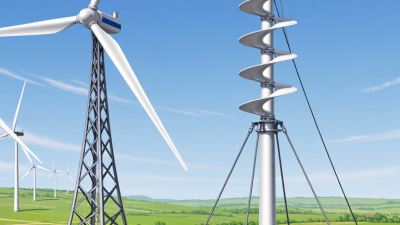
Mini wind turbines differ greatly in design, size, and useful power. Horizontal-axis models usually perform better in steady, unobstructed wind. Vertical-axis models can accept changing wind directions, but turbulence may reduce output. That advantage is often overstated. The U.S. Department of Energy’s Distributed Wind Market Report recorded about 1,145 megawatts of distributed wind capacity in the United States by the end of 2022. However, this figure includes larger distributed systems, not only household turbines.
Check the rated power, rotor diameter, and average wind speed together. A 1-kilowatt turbine will not produce 1 kilowatt continuously. Its output depends on wind distribution, tower height, air density, and downtime. The IEC 61400-2 standard provides safety and performance guidance for small wind turbines. A taller tower often matters more than a larger generator. Nearby roofs, trees, and buildings can create unstable airflow. Poor placement can quietly destroy expected production.
Use measured wind data when possible. A short visual inspection is not enough. The Global Wind Energy Council reported more than 1,000 gigawatts of total global wind capacity by the end of 2023, but large wind farms operate under very different conditions. IRENA reported a global weighted-average onshore wind cost of about USD 0.033 per kilowatt-hour in 2023; household turbines usually cost more per unit of electricity. My sizing approach would remain conservative: match the turbine to the battery, inverter, and annual demand, then question every optimistic power estimate. A spreadsheet can still be wrong.
How to Choose a Mini Wind Turbine for Your Home?
Installation requirements should guide your choice before power output. A compact turbine still needs a strong tower, safe electrical wiring, and reliable access for maintenance. Check the ground carefully. Soft soil, nearby trees, and overhead cables can create serious problems. A qualified structural professional should review the foundation and tower design before construction.
Tower height affects performance more than many homeowners expect. Wind near rooftops becomes turbulent, reducing efficiency and increasing vibration. A tower is often placed well above nearby obstacles, but the correct height depends on local wind conditions and planning rules. Measure the distance to trees, buildings, and fences. Also consider guy-wire anchors, delivery access, and the space needed to lower the turbine safely. A roof-mounted unit may appear convenient, yet it can transmit noise and movement through the building.
Tips: Leave a clear working area around the tower. Keep batteries and control equipment dry and ventilated. Request a professional wind assessment if possible. Short-term observations can mislead you. Seasonal wind changes matter. It is easy to overestimate available space, especially after adding guy wires, fences, and maintenance paths. I would also check the turbine’s manual twice; small measurement errors can become expensive installation changes. Neighbor concerns deserve attention too, since sound and shadow movement may affect daily comfort.
| Selection Dimension | Typical Residential Guidance | Why It Matters | What to Check Before Purchase |
|---|---|---|---|
| Rated power | Small home turbines commonly range from approximately 400 W to 10 kW. | Rated power is measured at a specified wind speed and does not equal continuous household output. | Compare the power curve and annual energy estimate rather than relying only on the maximum rating. |
| Average wind speed | A useful starting point is an annual average of about 4.5–5 m/s or higher at the turbine hub height. | Wind power increases approximately with the cube of wind speed, so modest differences in wind resource have a large effect. | Use a site-specific assessment, local wind data, or measurements taken at the planned hub height. |
| Tower height | Residential tower systems are often installed at approximately 18–30 m, subject to local rules and site conditions. | Wind is generally stronger and less turbulent higher above the ground. | As a common siting guideline, the rotor should be at least 9 m above nearby obstacles within roughly 150 m, where permitted. |
| Available open space | A freestanding tower needs a clear area for the rotor, foundation, guy wires if used, access, and maintenance. | Buildings, trees, and terrain create turbulence that can reduce energy production and increase mechanical stress. | Map trees, buildings, utility lines, property boundaries, drainage areas, and the planned fall or safety zone. |
| Rotor diameter | Small residential rotors may have diameters of approximately 1.5–7 m, depending on the rated power. | A larger swept area captures more wind energy, but requires more clearance and stronger structural support. | Confirm the rotor clearance, transport route, foundation design, and local height restrictions. |
| Roof-mounted versus tower-mounted | Roof mounting is generally suitable only where the structure is engineered for vibration, noise, and dynamic loads; a separate tower is usually preferred for performance. | Roof turbulence can reduce output and transmit vibration into the building. | Obtain a structural assessment and verify whether the installation complies with local building requirements. |
| Tower type | Tilt-up or guyed towers can simplify maintenance; fixed self-supporting towers may require more substantial foundations. | Tower design affects land requirements, installation cost, maintenance access, and structural loads. | Check foundation drawings, guy-wire anchor locations, soil conditions, and wind-load calculations. |
| Electrical system | Systems may be grid-connected, battery-based, or hybrid with solar and a backup generator. | The controller, inverter, batteries, disconnects, grounding, and wiring must match the turbine output and voltage. | Confirm compatibility with the electrical service, battery bank, grid-interconnection rules, and emergency shutdown requirements. |
| Noise and vibration | Noise varies with rotor size, wind speed, tower type, and distance from occupied buildings. | Improper mounting or turbulent wind can increase vibration and audible noise. | Request measured sound data, check nighttime noise limits, and avoid mounting directly on occupied roof structures without engineering review. |
| Permits and setbacks | Requirements vary by jurisdiction and may include zoning approval, building permits, electrical inspection, and utility approval. | Height, property-line setbacks, aviation rules, protected areas, and noise limits can determine whether the project is allowed. | Contact the local planning office, building department, utility, and homeowners’ association before ordering equipment. |
| Maintenance access | Plan periodic inspection of blades, fasteners, electrical connections, bearings, tower components, and guy wires. | Safe and affordable maintenance is essential because turbines operate outdoors under changing loads. | Allow vehicle or lifting access, identify a qualified service provider, and confirm spare-parts availability. |
| Expected energy contribution | Annual output depends on the wind distribution, tower height, turbine curve, availability, and electrical losses. | A turbine with a lower rated power can outperform a larger one at a windy site if its operating characteristics better match the local wind resource. | Compare estimated annual kWh with household demand and consider a hybrid system if wind is seasonal. |
Planning note: All dimensions and performance ranges are general residential guidelines. Final tower height, clearances, structural design, setbacks, and electrical configuration must be verified against local codes and a site-specific engineering assessment.
Choosing a mini wind turbine starts with a realistic cost estimate, not the advertised unit price.
Include the tower, inverter, foundation, wiring, batteries, transport, installation, and inspections. A windy site can still produce poor savings if the turbine stands below nearby trees or buildings. Measure wind conditions at hub height when possible. Guesswork is expensive.
Maintenance needs a written schedule.
Inspect blades for cracks, loose fasteners, corrosion, and unusual vibration. Check electrical connections after severe weather. Bearings and braking systems may need professional servicing. Keep a record of repairs, dates, and performance changes.
Small turbines are not maintenance-free. I underestimated access costs once; tower work can require special equipment and trained technicians.
Safety and local rules deserve equal attention.
Install grounding, overcurrent protection, a visible disconnect, and a safe shutdown method. Never climb or approach a damaged turbine during strong winds. Ask the local planning office about height limits, setbacks, noise rules, wildlife concerns, and permit requirements.
Grid-connected systems may also require utility approval and an inspection. Rules vary between towns, and online advice can be outdated. Obtain written confirmation before ordering equipment.
A design that works on open farmland may be unsuitable beside a home, road, or neighbor’s property.
A suitable mini wind turbine begins with your property, not its advertised wattage. Measure wind conditions at the planned tower height, ideally across several months. Roof edges often create turbulence, even when the site feels windy. Open fields usually provide cleaner airflow.
Check local wind maps, but treat them as estimates. A site visit matters more. An anemometer can reveal weak seasonal winds or harsh gusts.
Remember this detail. Rated power does not equal daily energy production. A turbine rated at 1,000 watts may produce far less under ordinary household conditions.
Match the system to a clear household goal. Do you want emergency charging, lower grid use, or power for a remote shed? Small goals may need a modest turbine and battery bank. Larger loads require careful calculations for heating, pumps, and appliances. Battery capacity, inverter quality, tower height, and maintenance access affect the complete system.
Noise and visual impact also deserve attention. A poorly placed turbine can disturb sleeping rooms or nearby residents. Check setback rules, permits, electrical requirements, and wildlife guidance before buying. These details vary by location.
Be realistic about maintenance. Blades, wiring, bearings, and tower connections need periodic inspection. I would rather choose a smaller system with reliable access than a larger turbine that is difficult to service.
One common mistake is focusing on peak output while ignoring average wind speed. Your household profile should lead the decision.
Our Off-grid experts will come back with recommendations

Stay up to date with Leading Edge innovations and offers by joining our mailing list. Occassionally we send informative newsletters, offers and promotions that we think you'll find useful or interesting.