What is a Wind Mill Turbine and How Does it Work?
Wind Mill Turbines have become a significant topic in renewable energy. These devices harness wind energy, converting it into electricity. Dr. Emily Carter, a leading expert in renewable technology, states, "Wind Mill Turbines are crucial for a sustainable future."
The mechanics of a Wind Mill Turbine involve blades that capture wind energy. This energy causes the blades to spin, turning a generator that produces electricity. Each component plays a vital role in this energy conversion process. However, some challenges remain. Maintenance and efficiency can vary based on wind conditions.
Wind Mill Turbines are not always the perfect solution. They require careful planning and installation. Moreover, concerns about wildlife impact need addressing. Exploring these elements can enhance our understanding of Wind Mill Turbines. They embody the potential of wind energy while highlighting areas for improvement.
What is a Wind Mill Turbine? An Overview of Its Definitions and Types
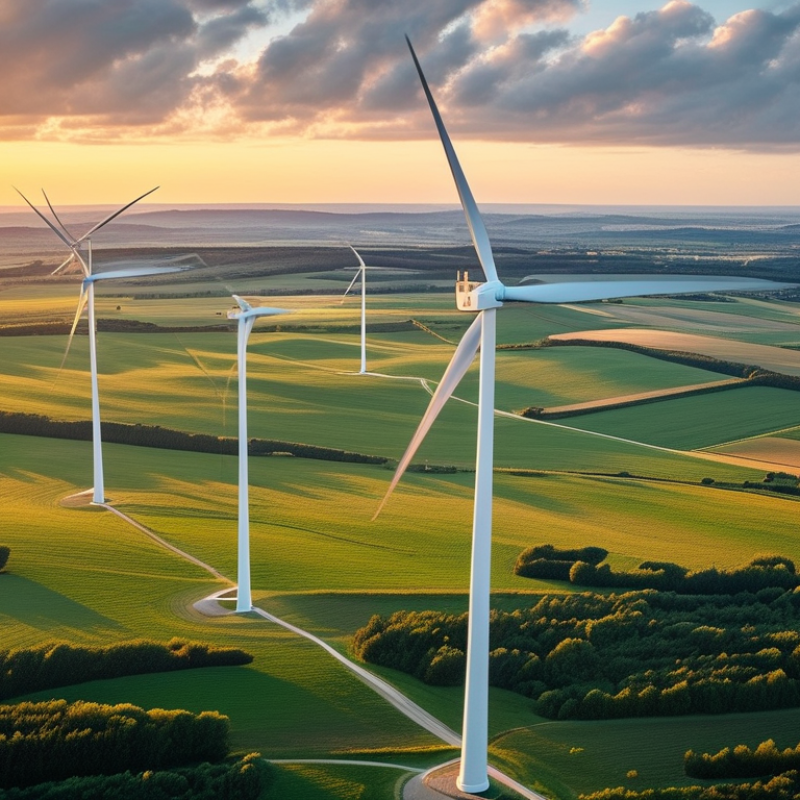
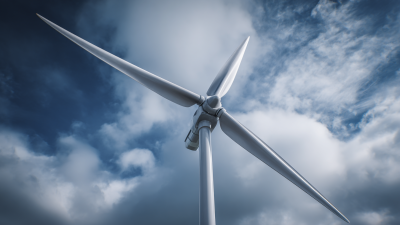
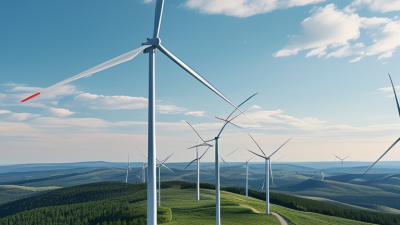
Wind mill turbines, commonly known as wind turbines, are devices that convert wind energy into electrical power. They consist of large blades mounted on a tall tower. As the wind blows, it causes the blades to rotate, which in turn drives a generator to produce electricity. This process is quite efficient and offers a renewable energy source with minimal environmental impact.
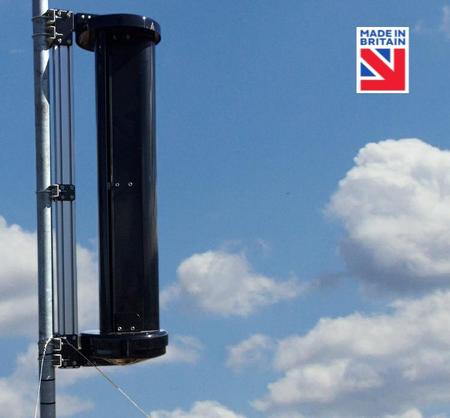
There are several types of wind turbines. Horizontal-axis turbines are the most common, featuring two or three blades that face into the wind. Vertical-axis turbines, on the other hand, can capture wind from any direction. Each design has its advantages and drawbacks. The size of a turbine can also vary significantly. Large turbines can generate enough power for thousands of homes, while smaller units are ideal for individual use.
Understanding the different types of wind turbines helps in making informed choices for energy needs. Consideration of local wind patterns and environmental impacts is essential for optimal results. The effectiveness of wind turbines can vary from one location to another. While they are a promising energy solution, they are not without their challenges. For example, they can affect local wildlife and may not be suitable for every environment. This requires careful planning and ongoing evaluation.
Key Components of Wind Turbines: Blades, Towers, and Generators
Wind turbines play a crucial role in harnessing renewable energy. Their design mainly consists of three key components: blades, towers, and generators. The blades, often made from lightweight composite materials, convert wind energy into mechanical energy. The length and shape of the blades can significantly affect efficiency. According to the International Renewable Energy Agency, longer blades can increase energy capture by up to 20%. In real-world applications, this improvement translates to more electricity generated and reduced reliance on fossil fuels.
Towers support the blades and house the generator. Most towers are built from steel or concrete. They are designed to elevate the turbine to capture stronger winds at higher altitudes. In the U.S., the average tower height increased from 80 to 100 meters over the last decade, enhancing energy output. The foundation must withstand immense stress as turbines can weigh upwards of 200 tons. Some regions struggle with soil conditions that complicate installation and longevity.
The generator converts mechanical energy into electrical energy. While symmetric designs are common, there is an ongoing debate on how to improve efficiency further. Reports indicate that newer designs may yield better energy conversion rates. However, transitioning to advanced models presents challenges in cost and integration into existing infrastructure. Balancing innovation with practical implementation remains essential in the wind energy sector.
What is a Wind Mill Turbine and How Does it Work? - Key Components of Wind Turbines: Blades, Towers, and Generators
| Component |
Function |
Material |
Average Height |
Capacity (MW) |
| Blades |
Capture wind energy and convert it into rotational energy |
Fiberglass or carbon fiber |
40 to 60 meters |
1.5 to 3.5 MW |
| Tower |
Supports the turbine components and elevates the blades to capture more wind |
Steel or reinforced concrete |
80 to 120 meters |
N/A |
| Generator |
Converts mechanical energy from the turbine into electrical energy |
Copper and aluminum |
N/A |
1 to 5 MW |
How Do Wind Turbines Generate Electricity? The Physics Behind the Process
Wind turbines are fascinating devices that harness wind energy. When the wind blows, it moves the blades of the turbine, causing them to spin. This mechanical energy is then converted into electrical energy through a generator inside the turbine. The process is efficient, yet it relies heavily on wind speed and direction. A calm day means no power generation.
The physics behind electricity generation in wind turbines involves several key concepts. The blades are designed to capture kinetic energy from the wind. As the blades rotate, they turn a rotor connected to the generator. The generator produces electricity by using electromagnetic induction, where movement within a magnetic field creates a flow of electric current. Factors like blade length and shape influence performance.
Despite their efficiency, wind turbines can present challenges. They are vulnerable to frequent maintenance, especially in harsh weather. Additionally, the initial cost of installation can be significant. However, the long-term benefits of renewable energy are hard to ignore. The shift towards sustainable energy sources demands careful consideration of these factors, yet optimizing wind energy has immense potential for our future.
Wind Turbine Efficiency: Understanding Capacity Factor and Energy Output
Wind turbines are key players in harnessing renewable energy. Their efficiency is often evaluated through the capacity factor, which measures the actual energy output versus the maximum possible output over time. A higher capacity factor indicates better performance. For example, a wind turbine may have a capacity factor of 35%, producing energy efficiently. Yet, factors like location and weather greatly influence this number.
Understanding energy output is crucial for assessing a turbine's reliability. Not all sites are ideal for wind energy generation. Wind speed, direction, and consistency directly affect energy production. Some turbines generate power intermittently, reflecting the variability of wind. Over time, a site's energy output can fluctuate. This makes planning and forecasting challenging.
Balancing efficiency and reliability is essential. It requires ongoing analysis and adjustments. Future innovations may enhance wind turbine design, aiming for higher capacity factors. Yet, it’s vital to acknowledge that wind energy isn’t always predictable. Emphasizing the need for a diversified energy portfolio can help mitigate these challenges, ensuring a stable energy supply.
Wind Turbine Efficiency: Understanding Capacity Factor and Energy Output
Global Impact of Wind Energy: Statistics on Usage and Environmental Benefits
Wind energy is rapidly becoming a cornerstone of global energy strategies. According to the International Energy Agency (IEA), wind power represented approximately 7% of the global electricity generation in 2020, a significant increase from previous years. The Global Wind Energy Council (GWEC) reported that in 2021, the total installed capacity reached over 930 GW, with projections indicating a rise above 2000 GW by 2025. This growth not only signifies a shift towards renewable energy but also highlights the functional importance of wind turbines in combating climate change.
The environmental benefits of wind energy are substantial. For every megawatt-hour (MWh) generated from wind, there is a reduction of about 0.9 tons of carbon dioxide emissions compared to fossil fuels. This reduction plays a critical role in the global effort to meet climate targets set forth in the Paris Agreement. In regions where wind energy is prevalent, air quality improves significantly. However, challenges persist, such as the need for energy storage solutions and the potential impact on local wildlife. Continuous research and development are necessary to address these complexities and maximize the positive impact of wind energy on our environment.