

Blog

How to Choose a Home Wind Turbine System in 2026?

Choosing a Home Wind Turbine System in 2026 requires more than comparing advertised wattage. A turbine that looks powerful on a product page may produce little energy beside tall trees, nearby buildings, or turbulent rooftops. Your site matters most. Measure average wind speed at hub height, not at eye level. A small anemometer can reveal uncomfortable truths.

Hugh Piggott, a respected small-wind engineer and author, offers a useful principle: “Keep it simple.” His advice fits modern residential projects. Choose a system with clear performance data, accessible replacement parts, proven overspeed protection, and a tower designed for local conditions. Ask whether the manufacturer publishes power curves from credible testing. Check noise levels at the property boundary. Confirm that batteries, inverters, and controllers work together.

Do not trust a perfect forecast.

A reliable Home Wind Turbine System should match your electricity use, tower height, maintenance skills, and budget. A ground-mounted turbine often performs better than a roof-mounted model, where vibration and turbulent airflow can reduce output. However, ground installation may require more space, stronger foundations, and professional approval. Local installers can inspect soil, exposure, electrical connections, and safety clearances. Their experience is valuable, but it should be independently verified.

There is room for doubt. Wind conditions change seasonally, and real output rarely matches optimistic estimates. Compare measured data with conservative simulations before purchasing. This guide explains the key choices, from turbine size and tower design to batteries, grid connection, maintenance, and long-term value. The best system is not always the largest one. It is the one that performs safely and predictably on your property.
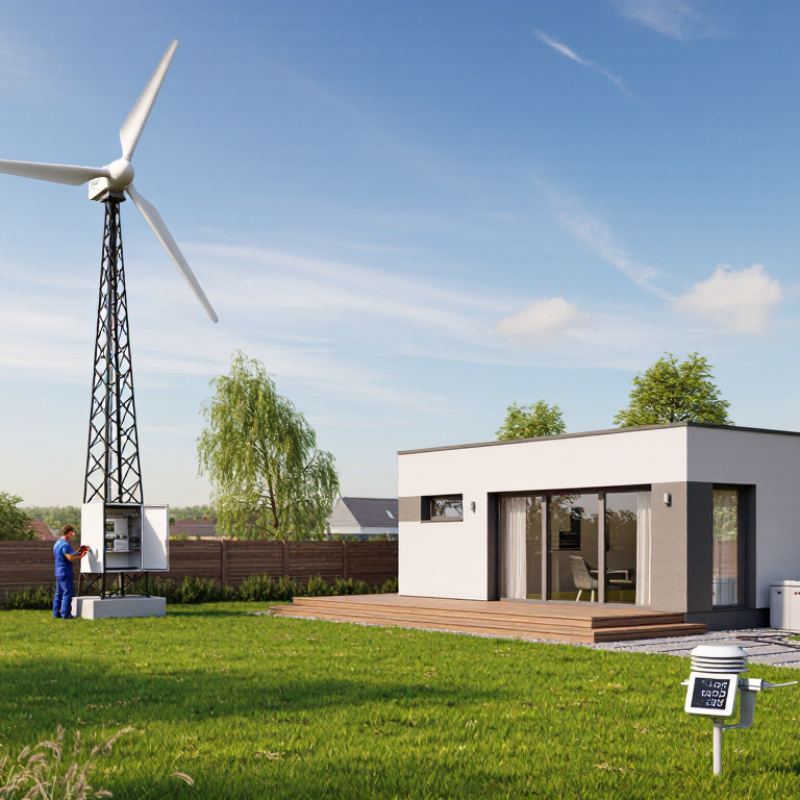
How to Choose a Home Wind Turbine System in 2026?

Define Your Home’s Wind Resource and Energy Goals

Before choosing a home wind turbine, measure the wind at your property.

Regional wind maps are only screening tools. Trees, roofs, and nearby buildings can create turbulence and reduce output.

The U.S. Department of Energy’s Distributed Wind Market Report recorded about 1,145 megawatts of distributed wind capacity in the United States through 2023. That figure shows practical adoption, but it does not guarantee success at every home.

Measure wind near the proposed hub height for several months, preferably with a calibrated anemometer. Compare the results with the turbine’s power curve, not its advertised maximum output. A site averaging 5–6 meters per second may still perform poorly if gusts are irregular.

Define your energy goal in plain numbers.

Do you want emergency charging, lower grid use, or most of your annual electricity? Check twelve months of utility bills, then estimate the turbine’s annual energy production. The Global Wind Energy Council reported 117 gigawatts of new wind capacity worldwide in 2023, yet large wind farms benefit from stronger, steadier resources than most homes. Scale matters.

Tips:

Keep the rotor well above nearby obstacles. The U.S. Department of Energy often recommends placing it at least 9 meters above anything within 90 meters. Ask an installer to review tower loads, noise, maintenance access, and local permitting.

I would also budget for repairs. Small turbines are not maintenance-free. My first estimate might be too optimistic; measured data should correct it.

Compare Turbine Types, Sizes, and Power Ratings

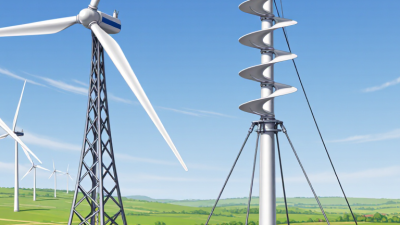
Choosing a home wind turbine in 2026 starts with turbine type, not advertised wattage. Horizontal-axis turbines usually deliver more power in steady, unobstructed wind. They need a tall tower and careful alignment. Vertical-axis models accept wind from changing directions and can fit tighter spaces. However, their real-world output is often lower than expected. Small rooftops can also create vibration and turbulent airflow. That detail is easy to underestimate.

Size should match your wind resource and electricity goal. A turbine’s swept area matters more than its blade label. Larger blades capture more wind, but they also need stronger towers and wider clearances. A 1-kilowatt rating describes output at a specified wind speed, not constant production. Check the rated wind speed, cut-in speed, survival speed, and power curve. Ask for measured data from a similar site. Marketing estimates can feel reassuring. They are not a substitute for a wind assessment.

Measure wind near the planned hub height, ideally for several months or longer. Nearby trees, roofs, and hills may reduce performance through turbulence. Compare annual energy production with your household load, battery capacity, and inverter limits. A grid-connected system may need approved electrical equipment and local permission. An off-grid system needs backup power for calm periods. I once underestimated tower height in a preliminary comparison; the cheaper option produced less energy than projected. Recheck the site before choosing the largest machine.

Evaluate Siting, Tower Height, and Local Installation Conditions

How to Choose a Home Wind Turbine System in 2026?

A suitable turbine begins with the site, not the equipment catalog. Measure wind at the planned hub height. The U.S. Department of Energy recommends collecting at least one year of site data when practical. Short tests can mislead you. Seasonal winds vary sharply.

Tower height often matters more than rated turbine output. Wind speeds increase above trees, roofs, and nearby buildings. Turbulence can reduce energy and increase mechanical stress. A common DOE siting rule places the rotor at least 30 feet above obstacles within 500 feet. That rule is useful, but not universal. Terrain can change everything. A ridge may accelerate wind, while a valley may create unstable flow. The Global Wind Atlas offers regional screening, yet it cannot replace measurements beside your foundation.

Inspect local installation conditions carefully. Check soil depth, drainage, access for lifting equipment, electrical routing, and safe maintenance space. The International Electrotechnical Commission’s small wind turbine standards address structural safety, performance, and testing. Local permits may also limit tower height or noise.

Do not assume a windy roof is a good site. Rooftop turbulence is often severe, and repairs become awkward. I would rather choose a taller, simpler tower than chase a few extra meters of roof height. That judgment can still be wrong. A professional assessment should verify wind data, tower loading, foundation design, and grid connection before purchase.

Check Costs, Maintenance Needs, Safety, and Regulations

Choosing a home wind turbine in 2026 starts with the site, not the advertised power rating. A rooftop location may look convenient, but nearby roofs and trees create turbulent wind. That turbulence can reduce output and increase vibration. Measure wind at the proposed hub height when possible. A short test is useful, but a full seasonal record is more reliable. My early budget was too optimistic. I forgot trenching, foundation work, permits, and electrical inspections.

Price the complete system, including the turbine, tower, controller, inverter, batteries, wiring, transport, labor, and grid connection equipment. Ask for written assumptions about annual energy production. Compare that estimate with your household load, not a perfect-weather promise. Maintenance usually includes bolt checks, cable inspection, lubrication, corrosion control, and brake testing. Keep a service log. Small defects become expensive quickly. Replacement parts may also require specialized lifting equipment. That detail is easy to miss.

Safety deserves more attention than appearance. Use a professionally engineered tower and maintain clear fall zones around buildings, roads, and utility lines. Install grounding and lightning protection, then verify shutdown controls during an inspection. Children and visitors should not access moving equipment or batteries. Regulations differ by city and utility. Check zoning height limits, noise rules, property setbacks, building permits, electrical codes, and interconnection requirements before buying. Ask the local authority and a licensed electrician for current requirements. Rules can change. Recheck them.

How to Choose a Home Wind Turbine System in 2026
Typical installed costs increase with rated capacity, while annual maintenance is commonly estimated at about 2% of the initial system cost. Actual production depends strongly on average wind speed, tower height, turbulence, local zoning rules, permitting, grid-connection requirements, and site access. Before purchasing, verify setbacks, structural standards, electrical approvals, noise limits, and inspection requirements with the local authority.

Select the Right System with Batteries, Grid Connection, or Backup Power

How to Choose a Home Wind Turbine System in 2026?

Select the Right System with Batteries, Grid Connection, or Backup Power

A home wind system should match your wind conditions, energy habits, and backup needs. I have seen small turbines underperform when nearby trees created heavy turbulence. Measure wind speed at hub height, not beside the house. A taller tower often matters more than a larger rotor. Review the turbine’s real-world power curve, not only its advertised rated output.

Batteries suit homes that need power during calm periods or evening demand. Size the battery around essential loads, such as refrigeration, lighting, internet equipment, and a heating pump. Oversizing adds cost and may leave capacity unused. Lithium-based systems usually offer strong usable capacity, but temperature control and certified installation remain important. Keep batteries in a dry, ventilated location. Not in a cramped closet.

Grid connection can reduce wasted generation when the battery is full. However, export rules, metering requirements, and interconnection approval vary by location. Use equipment with recognized safety certification and anti-islanding protection. A qualified electrical professional should confirm grounding, tower wiring, and disconnect locations before installation. Informal wiring is a serious risk.

For backup power, choose a system that can isolate the home safely during an outage. A transfer switch prevents electricity from reaching utility lines. Select only the circuits you genuinely need. A modest battery bank can support a refrigerator and lights longer than a large whole-home load. I would also leave space for future demand, because household energy use rarely stays fixed. Wind production is irregular, and that limitation deserves honest planning.

How to Choose a Home Wind Turbine System in 2026? - Select the Right System with Batteries, Grid Connection, or Backup Power

Comparison of common residential wind-power configurations. Figures are typical planning ranges; actual output depends on wind speed, tower height, turbulence, local regulations, equipment efficiency, and installation quality.

System Configuration Typical Turbine Size Typical Annual Energy Output Battery Requirement Grid Connection Backup Capability Best-Fit Application Key Planning Requirement
Grid-Connected Wind System 1–10 kW rated power Approximately 900–22,000 kWh per year at a 10–25% capacity factor Optional
Usually no battery is required for normal operation.
Yes; requires a compatible grid-tie inverter, utility approval, and an approved interconnection arrangement. Usually none during a grid outage unless a separate battery or backup inverter is installed. Homes with reliable utility service that want to reduce purchased electricity over time. Good wind exposure, certified interconnection equipment, export-metering rules, and utility permission.
Battery-Based Off-Grid System 1–10 kW rated power Approximately 900–22,000 kWh per year, subject to seasonal wind availability Required
Common storage range: 5–30 kWh for essential household loads.
No; the system operates independently from the utility network. Yes; batteries supply stored energy through an off-grid inverter. A generator may be needed during extended low-wind periods. Remote homes, cabins, farms, and properties without practical utility access. Battery autonomy planning, generator integration, load management, and protection from deep battery discharge.
Hybrid Wind and Solar System 1–10 kW wind turbine plus solar PV Wind output of approximately 900–22,000 kWh per year, plus solar production Recommended
Common storage range: 5–30 kWh for essential loads.
Optional; can be configured as grid-connected, off-grid, or grid-interactive. Yes, when paired with a suitable battery inverter and critical-load panel. Homes with different wind and solar seasons, especially where winter wind complements lower winter solar production. Compatible charge controllers, coordinated power-management settings, and enough space for solar modules.
Wind System with Emergency Backup 1–5 kW rated power Approximately 900–11,000 kWh per year at a 10–25% capacity factor Small or optional
Common range: 2–15 kWh for short-duration backup.
Usually yes, with a transfer switch or approved hybrid inverter. Yes; designed to maintain selected circuits such as refrigeration, lighting, communications, pumps, or heating controls. Grid-connected homes that need resilience rather than full energy independence. Critical-load calculation, automatic transfer equipment, battery safety, and clearly separated backup circuits.
Wind and Generator Microgrid 3–20 kW wind turbine plus standby generator Approximately 2,600–44,000 kWh per year at a 10–25% capacity factor Recommended
Common range: 10–60 kWh, depending on load and generator strategy.
Optional; can operate as an isolated or grid-interactive microgrid. High; the generator provides extended-period backup when wind and stored energy are insufficient. Large rural properties, agricultural loads, workshops, and locations with frequent or lengthy outages. Microgrid controls, generator synchronization, fuel planning, grounding, and professional protection design.
Small Essential-Load Wind System 400 W–1 kW rated power Approximately 350–2,200 kWh per year at a 10–25% capacity factor Required for off-grid use
Common range: 2–10 kWh.
Normally no; may be connected through an approved hybrid system. Limited; suitable for lighting, communications, sensors, small pumps, and other low-power loads. Small cabins, telecommunications equipment, remote monitoring, and low-consumption sites. Accurate low-voltage load calculation, tower stability, charge-control compatibility, and realistic expectations about seasonal output.

Selection rule: Choose a wind turbine only after measuring or reliably estimating the site wind resource at the proposed hub height. Small turbines generally require a clear, elevated location; roof-mounted units often experience turbulence and may produce substantially less energy than expected. A preliminary annual-energy estimate can be calculated as: rated power × 8,760 hours × expected capacity factor.

Tell us about your project

Our Off-grid experts will come back with recommendations

x
Can we help?
Leading Edge
Off-Grid Power Requirements
Leading Edge
Sign Up To Receive Our Newsletter

Stay up to date with Leading Edge innovations and offers by joining our mailing list. Occassionally we send informative newsletters, offers and promotions that we think you'll find useful or interesting.