

Buying a Residential Wind Turbine can seem simple until you compare rated power, tower height, and real wind conditions. A turbine’s advertised output is not a promise of household energy savings. Actual performance depends on wind speed, turbulence, installation height, maintenance, and your home’s electricity use. Energy expert Amory Lovins offers a useful reminder: “The cheapest energy is the energy you don’t use.” Reduce avoidable energy use before deciding how much generation you need. A lower electricity bill may begin with better insulation, not a taller tower.
For global buyers, the right choice starts with the site. Check local wind data, nearby trees and buildings, and whether the proposed tower can reach steadier airflow. Ask suppliers for power curves, expected annual energy estimates, warranty terms, and maintenance requirements. Compare those estimates with your household’s monthly bills, not just the turbine’s peak rating. Request references from installations in similar conditions. Small details matter: a shaded roofline, a noisy gearbox, or a difficult service visit can change the experience. Still, forecasts are estimates, not guarantees. Verify applicable installation rules and grid-connection requirements with qualified local professionals before purchase. These seven buying tips will help you compare products carefully, question attractive claims, and choose a system suited to your property—not merely the brochure.

Before comparing turbine ratings, check what the wind does at your actual property. A regional wind map is a starting point, not a site assessment. Hills, tree lines, nearby buildings, and coastal cliffs can change wind speed over short distances. Look for steady, unobstructed flow, not just strong gusts. Gusts can sound impressive. They may produce little usable energy while increasing mechanical stress. If possible, record wind speed and direction near the planned hub height for several months. A full year captures seasonal shifts better. Short tests are imperfect, but they are better than guessing.
Check the proposed tower location at different times of day. A tall tree may block winter winds less than summer winds, while a roof edge can create turbulent airflow. Rooftop installations may also face vibration and clearance challenges. A clear tower location is often easier to assess. Compare measured conditions with the turbine’s operating range and expected output, not just its maximum rating. Ask an independent installer or engineer to review the terrain, tower height, foundation, and maintenance access. Their estimate should explain its assumptions, including measurement height and data period. Regional records help, but they cannot describe every yard. Treat precise annual-energy promises cautiously until site data supports them.
Before ordering a residential wind turbine, confirm that local planning rules allow its height, tower location, and noise level. Requirements can differ between neighboring districts. Ask the planning office whether you need a permit, site plan, or neighbor notification. A site visit can reveal practical issues, such as a tower position that blocks access for maintenance. Small details matter. Verify requirements with the relevant authority rather than relying on a seller’s general guidance.
Tips: Request written confirmation of permit requirements before paying a deposit. Ask a qualified electrician or utility representative about grid connection, anti-islanding protection, and export limits. Keep their answers with your project records.
Import rules deserve equal attention. Check the destination country’s electrical standards, accepted voltage and frequency, product certification, customs classification, and required shipping documents. Duties and clearance fees may change the final cost. Confirm these points with a customs broker or the appropriate government office, and compare the paperwork with the turbine’s nameplate and manuals. It is tempting to treat a small turbine as a simple household appliance, but installation and grid connection can involve separate approvals. I would not assume one country’s certificate will be accepted elsewhere; that assumption is easy to make, and costly to correct.
Before choosing turbine capacity, review at least twelve months of electricity bills. Note monthly kilowatt-hours, not just the highest bill. List major loads, such as a refrigerator, water pump, space heater, and electric cooking equipment. A household using 600 kilowatt-hours monthly averages about 20 kilowatt-hours daily, but usage changes by season. Heating or cooling can create sharp peaks. Peak demand matters.
A turbine’s rated capacity describes output under specified wind conditions, not guaranteed daily production. Compare the site’s measured wind speeds and seasonal patterns with the turbine’s power curve. A small turbine may contribute useful energy, yet leave a home short during calm winter weeks. Ask how annual energy estimates were calculated, and whether they account for tower height, nearby trees, and turbulence. These details can change real output.
Then compare expected generation with household demand, including battery or grid arrangements where available. Avoid sizing from one windy afternoon or a supplier’s best-case figure. A local wind assessment is more dependable than a regional average. One planning mistake is to buy extra capacity before checking the site. I would revisit that assumption: more rated power cannot fix weak, obstructed wind.
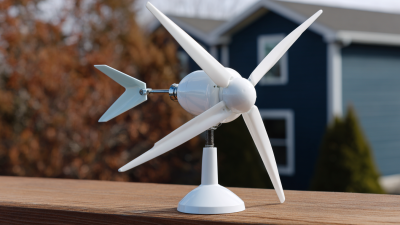
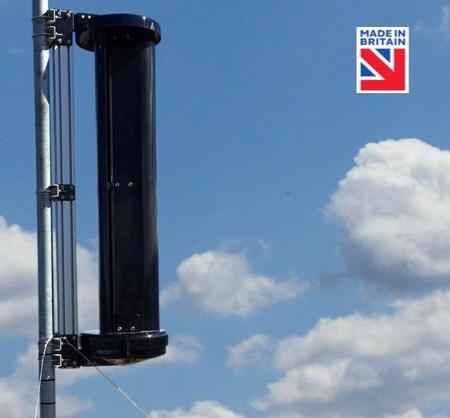
Residential wind turbines can look similar in product photos, yet their designs behave differently on site. Horizontal-axis models usually need clear airflow and careful orientation. Vertical-axis designs may suit some restricted layouts, but performance still depends on turbulence and mounting height. Compare rotor diameter, rated power, and the wind speed used for published output figures. Rated power is not annual energy. Ask for performance data across several wind speeds, plus expected noise levels and vibration details.
Certifications need a closer look than a logo on a brochure. Request the certificate, test report, issuing body, and exact model number. Check that the documents cover the turbine configuration being offered, including its controller and inverter where relevant. Requirements vary by destination and installation type, so confirm acceptance with local technical authorities or a qualified installer. Small details matter. A mismatch between a tested model and a quoted model can complicate approval.
Supplier reliability is visible in practical answers. Ask who handles installation guidance, warranty claims, and replacement parts after delivery. Request typical lead times for blades, controllers, and bearings. A supplier should explain exclusions plainly and provide written service procedures. References from customers in similar climates can reveal more than polished testimonials. There is no perfect supplier checklist; I would still compare response quality over several weeks, not just the first sales call.
Before comparing residential wind turbines, estimate the full installed cost, not just the equipment price. Include the tower, foundation, wiring, inverter, controls, delivery, and professional installation. If you need battery storage, price that separately; batteries can change the budget substantially. Small details add up. Ask for a written quote that lists exclusions, such as trenching or electrical upgrades.
Energy estimates depend on measured wind at the proposed turbine height, not just regional averages. Nearby trees, buildings, and terrain can reduce output. A site assessment can help, though it adds upfront cost and still cannot predict every gust. Check local planning and utility requirements before ordering equipment. A properly engineered tower and sound foundation matter; attaching a turbine to a home without a structural assessment may create vibration and safety problems.
Plan for maintenance before installation. Review the service schedule, access needs, replacement-part availability, and likely labor costs. Blades, electrical connections, and moving components need periodic inspection, especially after severe weather. Ask who handles repairs and how quickly parts can be supplied. That estimate can disappoint. Still, ignoring upkeep makes any payback calculation less credible. Keep a simple record of inspections, repairs, and monthly energy production to spot changes early.
| Buying Tip | What to Assess | Illustrative Planning Data | Practical Buyer Action |
|---|---|---|---|
| 1. Verify the wind resource | Average wind speed at the proposed hub height, seasonal patterns, turbulence, and nearby obstructions. | Wind power varies approximately with the cube of wind speed, so a modest change in speed can substantially change energy output. Site measurements or a reliable local wind assessment are preferable to regional averages alone. | Request an energy estimate based on the actual site, turbine power curve, hub height, and long-term wind data. |
| 2. Match capacity to energy needs | Household electricity use, utility connection, battery storage, and the turbine’s expected capacity factor. | A 5 kW turbine operating at an assumed 15%–30% capacity factor would generate about 6,570–13,140 kWh per year before system losses. Actual output depends heavily on the site and equipment. | Compare estimated annual generation with 12 months of electricity bills; do not size a system from rated power alone. |
| 3. Calculate the full installed cost | Turbine, tower, foundation, transport, crane or lifting equipment, electrical work, controls, storage, permits, and grid connection. | Costs vary widely by country, system size, terrain, labor, and grid requirements. A turbine-only quote may exclude major project costs, and a battery system can add a substantial additional expense. | Request an itemized, installed-cost quotation in local currency and identify taxes, exclusions, contingency, and warranty-related service costs. |
| 4. Check tower and installation needs | Tower height and type, foundation design, soil conditions, access for installation equipment, setbacks, and safe maintenance access. | Wind speeds generally increase with height, but the suitable tower height is site-specific. A structural assessment may be needed, particularly for weak soils, steep sites, or exposed locations. | Have a qualified local professional review the site, foundation, tower loading, access route, and installation plan before purchase. |
| 5. Confirm permits and local rules | Planning permission, height limits, property boundaries, noise rules, aviation restrictions, electrical codes, and utility interconnection requirements. | Requirements vary by jurisdiction and may differ between grid-connected and stand-alone installations. Approval may be needed before construction or grid connection. | Contact the local planning authority and utility early; obtain written requirements before committing to equipment or construction. |
| 6. Plan for maintenance and downtime | Inspection schedule, service access, replacement parts, technician availability, monitoring, and expected equipment life. | Small wind systems have moving components and need periodic inspection and servicing. Maintenance frequency and costs depend on the design, operating conditions, and service arrangements. | Ask for a written maintenance schedule, recommended spare parts, service response times, and the cost of any required lifting equipment. |
| 7. Compare warranties and lifecycle value | Warranty coverage, exclusions, power-curve documentation, safety certification, replacement-part supply, and end-of-life removal. | A lower purchase price does not necessarily mean a lower lifetime cost. Energy yield, installation quality, repair access, downtime, and local support all affect lifecycle value. | Compare the same assumptions for every quote and review warranty terms, independent test data, service arrangements, and total estimated ownership costs. |
Note: Figures are illustrative planning guidance, not a site-specific performance or cost guarantee. Wind conditions, local regulations, installation methods, and energy prices differ by location.
Our Off-grid experts will come back with recommendations

Stay up to date with Leading Edge innovations and offers by joining our mailing list. Occassionally we send informative newsletters, offers and promotions that we think you'll find useful or interesting.