Why Choose a Vertical Wind Turbine for Home Use?
A Vertical Wind Turbine For Home can look like a practical way to capture wind without a large, conventional rotor. Its upright blades can receive wind from different directions, which may suit sites where wind shifts around trees or buildings. But a compact shape does not guarantee useful electricity. The result depends on local wind speed, turbulence, turbine design, and installation quality.
Small details matter. A roof edge can create swirling air, while nearby walls may block steady flow. These conditions can reduce output, even when the turbine appears to spin briskly. Homeowners should compare measured or credible local wind data with the manufacturer’s rated performance, rather than relying on peak-output figures alone. It is also sensible to consider noise, vibration, maintenance access, electrical compatibility, and structural support. A qualified installer can assess those factors for a specific property.
There is no universal best choice. Vertical-axis models may offer advantages in some settings, yet they are not automatically more productive, quieter, or easier to maintain than other systems. That distinction is easy to miss. This guide explores how vertical wind turbines work, where they may fit, what their limitations look like, and which questions deserve attention before purchase. A turbine on a windy, open plot is not the same as one beside a crowded roofline. That is worth remembering. The aim is not to promise energy savings, but to help readers judge whether this technology makes sense for their home.
What Is a Vertical-Axis Wind Turbine?
Why Choose a Vertical Wind Turbine for Home Use?
What Is a Vertical-Axis Wind Turbine?
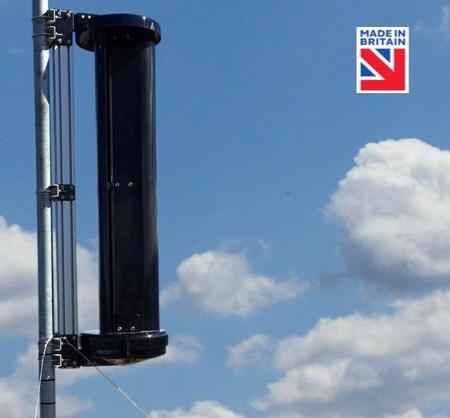
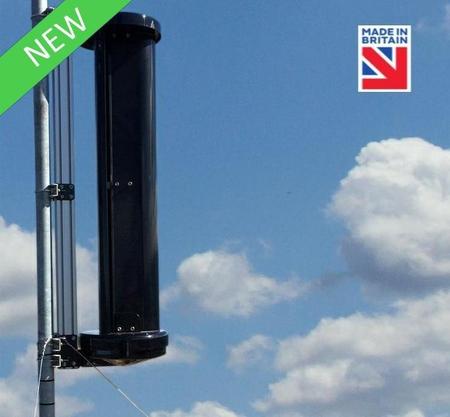
A vertical-axis wind turbine, or VAWT, has a rotor that spins around an upright shaft. Its blades may be straight or curved, depending on the design. Unlike a horizontal-axis turbine, it does not need to turn its rotor toward each shift in wind direction. That matters on gusty sites.
Some VAWTs place the generator near the base, which can make inspection more accessible. But layouts vary, and “vertical” does not automatically mean quiet, efficient, or suitable for every yard. Nearby walls, trees, roof edges, and turbulence can change the wind reaching the blades. A small turbine may produce less electricity than expected if average wind speeds are low. This is easy to underestimate. Check site measurements and the turbine’s performance data before choosing; a few breezy afternoons are not enough to judge annual output.
Tips: Note wind conditions at the intended mounting height, not just at ground level. Check vibration and noise specifications, too. A clear roofline helps, but it cannot fix weak wind. Keep realistic expectations.
How Does a Vertical Wind Turbine Generate Electricity?
A vertical wind turbine turns wind into electricity through a sequence of mechanical steps. Its blades rotate around an upright shaft, so they can accept wind from changing directions without a yaw mechanism. The exact blade design affects how the rotor captures energy. As the shaft spins, it drives a generator, where moving magnets and coils create an electrical current through electromagnetic induction. The output can vary with rotor speed.
A controller may regulate that output, while an inverter converts it into electricity suitable for household use. Some systems store energy in batteries; others connect to a home’s electrical system through properly designed equipment. Wind is fickle. A turbine’s production depends on wind speed, turbulence, tower height, and nearby obstacles, not just its rated capacity. Roof edges and trees can disrupt airflow, sometimes more than expected. Vertical turbines can handle shifting wind directions, but that does not guarantee high output in a sheltered yard. Measuring wind at the intended installation point over time is more useful than relying on a general local estimate. The process sounds straightforward, yet predicting real household production remains the part worth questioning.
Why Choose a Vertical Wind Turbine for Home Use? - How Does a Vertical Wind Turbine Generate Electricity?
| Topic |
How It Works |
What It Means for Home Use |
| Vertical-axis design |
The rotor shaft is vertical, and the blades rotate around it. The generator can often be positioned near the base of the turbine. |
Some layouts can simplify access to the generator and other ground-level components. Installation and maintenance needs still depend on the specific design. |
| Wind capture |
Wind applies force to the rotor blades. Savonius-style rotors primarily use drag, while Darrieus-style rotors primarily use aerodynamic lift. |
Different rotor designs have different starting behavior, efficiency, noise, and operating characteristics. Performance should be checked for the actual model and site. |
| Changing wind direction |
A vertical-axis rotor can accept wind from different horizontal directions without turning the rotor to face the wind. |
This can be useful where wind direction changes. It does not eliminate the effects of turbulence, obstructions, or low average wind speed. |
| Mechanical rotation |
As the rotor turns, its shaft transfers mechanical energy to a generator, either directly or through a drivetrain. |
Rotor speed and the generator’s operating range must be compatible for the system to produce electricity effectively. |
| Electricity generation |
The generator converts mechanical rotation into electrical energy through electromagnetic induction. |
Power electronics may regulate the output. A grid-connected system also needs compatible equipment and must meet local electrical and utility requirements. |
| Wind power available |
The wind’s theoretical power passing through the rotor area is described by P = ½ρAv³, where ρ is air density, A is swept area, and v is wind speed. |
Because wind speed is cubed in this equation, small changes in wind speed can make a large difference to the energy available. This is not the turbine’s electrical output. |
| Actual energy output |
Electrical output is lower than the theoretical wind power because of aerodynamic, mechanical, and electrical losses. Output also varies with wind speed and operating conditions. |
Use a manufacturer’s power curve and a site-specific wind assessment to estimate production. A rated-power figure alone does not show how much energy a turbine will generate over time. |
| Siting and obstructions |
Buildings, trees, and nearby structures can reduce wind speed and create turbulent airflow. |
A clear, appropriately elevated location generally offers better wind exposure. Check local zoning, permitting, noise, and structural requirements before installation. |
| Best-fit consideration |
Vertical-axis turbines offer a different rotor arrangement, but no turbine type produces useful energy without an adequate wind resource. |
Compare the turbine’s certified or independently verified performance, expected maintenance, installation cost, and local wind conditions before choosing a system. |
Note: Actual electricity production depends on the turbine model, rotor dimensions, wind conditions, installation height, system losses, and operating limits. Site assessment is essential for a realistic estimate.
What Advantages Can It Offer for Residential Use?
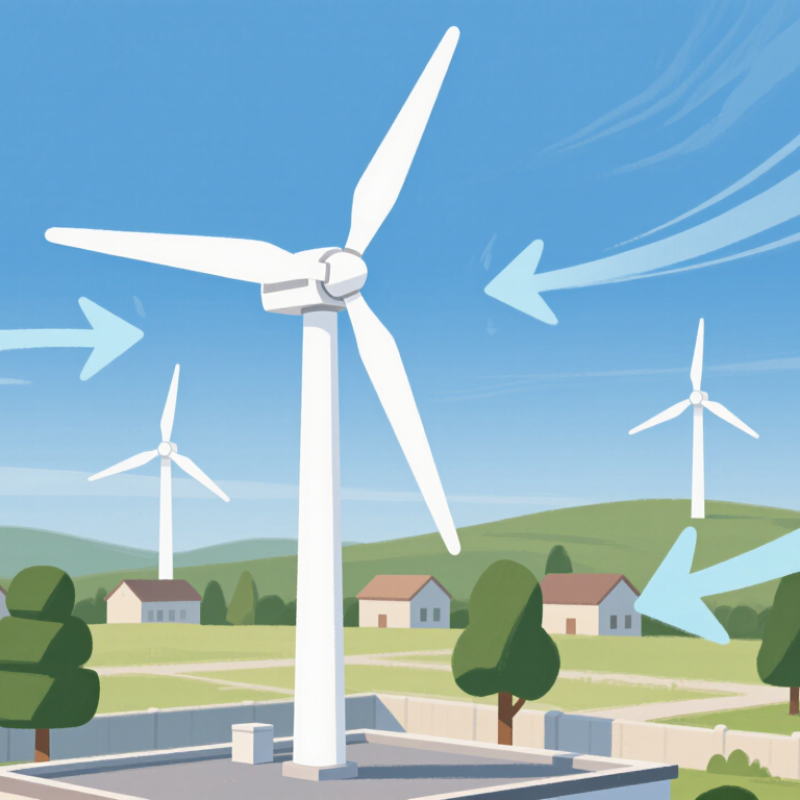
A vertical wind turbine can capture wind arriving from different directions without turning its rotor toward each gust. That can suit homes where nearby trees, rooflines, or buildings make wind direction change often. The design may also fit a compact site more easily than a large horizontal turbine. Useful, but not magic.
Some vertical models place major drive components closer to ground level, which can make inspection and maintenance more accessible. Their shape may also feel less visually imposing in a small yard. Noise varies by design, mounting, and wind speed, so check measured sound levels rather than relying on broad claims. A quiet night matters.
There is a catch: turbulent wind around rooftops can reduce output and increase mechanical strain. A turbine that looks convenient on a roof may perform better on a properly assessed mast nearby. Output also changes with local wind conditions, and a small residential unit may provide only part of a household’s electricity. I would treat it as a site-specific supplement, not a guaranteed bill cutter. Review the wind exposure, mounting strength, and maintenance access before choosing one.
What Costs and Limitations Should Homeowners Consider?
Why Choose a Vertical Wind Turbine for Home Use? What Costs and Limitations Should Homeowners Consider?
A vertical-axis turbine can fit a compact site and accept wind from changing directions. But its shape does not guarantee useful electricity. Local wind speed, nearby trees, roof turbulence, and tower height matter more than appearance. The U.S. Department of Energy’s small-wind guidance puts installed costs broadly around $3,000–$8,000 per kilowatt. A 5-kilowatt system could therefore mean $15,000–$40,000 before some site-specific expenses. Towers, foundations, electrical work, storage, and maintenance can raise the bill. These are broad U.S. figures, not a quote. NREL’s Distributed Wind Market Report also documents wide variation in project costs, so one headline price can mislead.
Output can disappoint on a sheltered roof. Buildings create choppy airflow, which may reduce production and add mechanical stress. A freestanding tower may improve exposure, but it needs space, safe access, and a suitable foundation. Wind output also varies by season; batteries add cost if backup power is the goal. Payback depends on measured wind, electricity rates, system efficiency, and upkeep. That estimate still feels incomplete without a site assessment.
Tips: Check a year of wind data, then confirm conditions at the proposed turbine height. Ask for estimated annual energy, not just rated power. Include tower and maintenance costs in writing. Small details matter. A professional assessment can prevent an expensive guess.